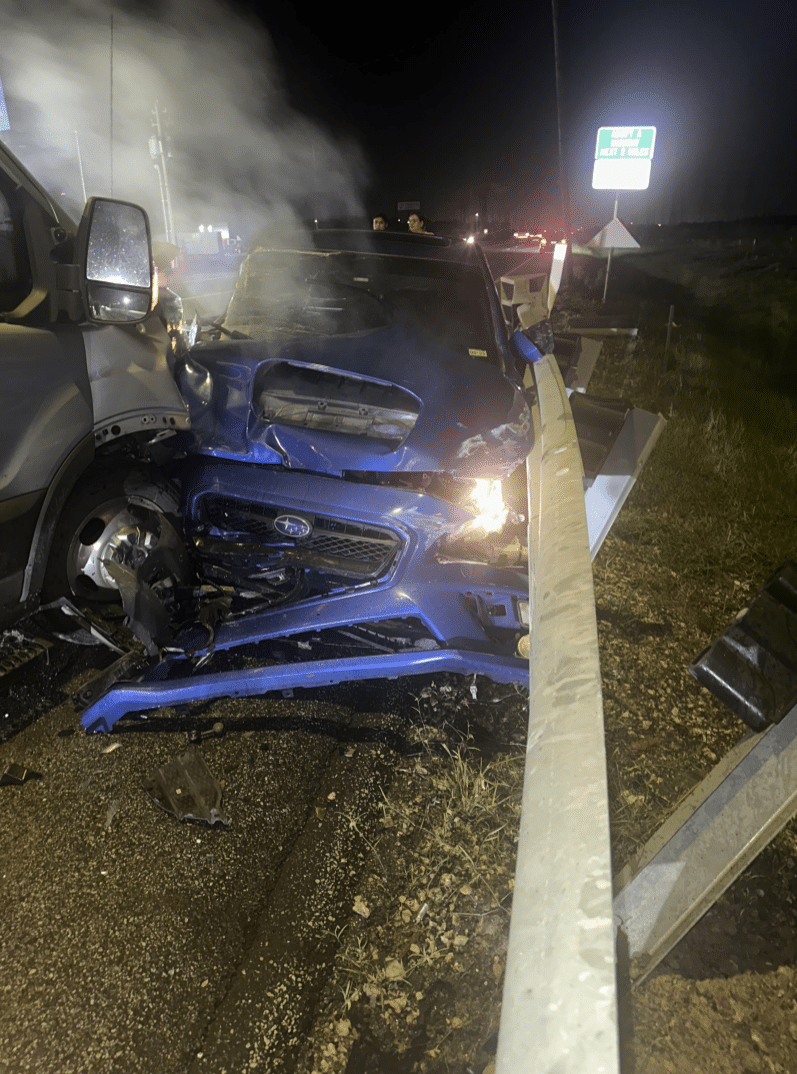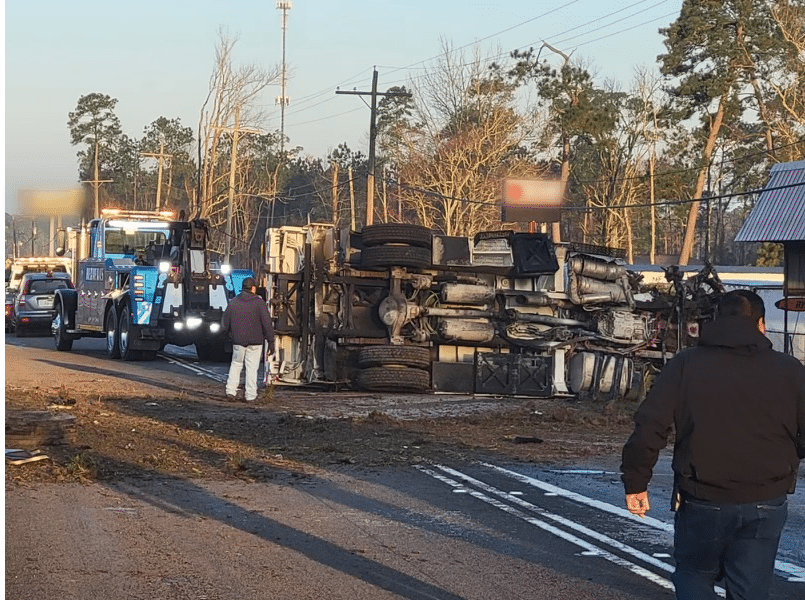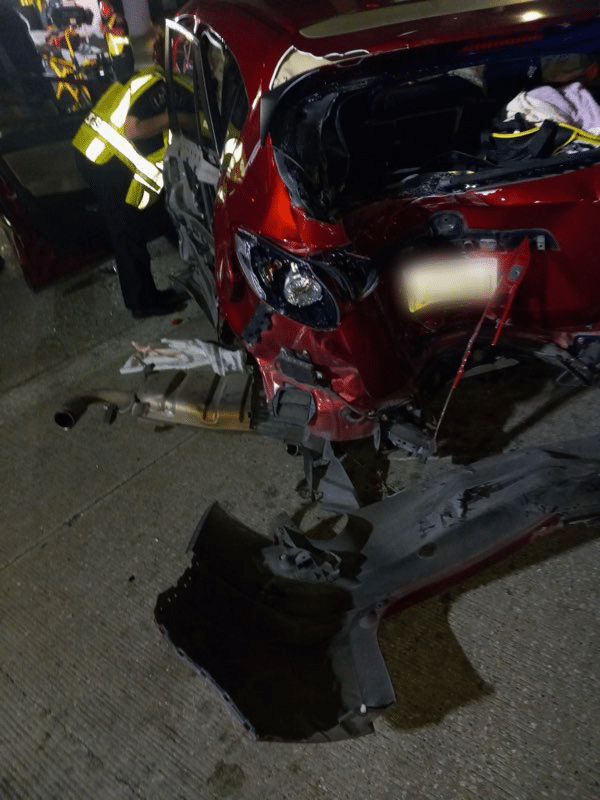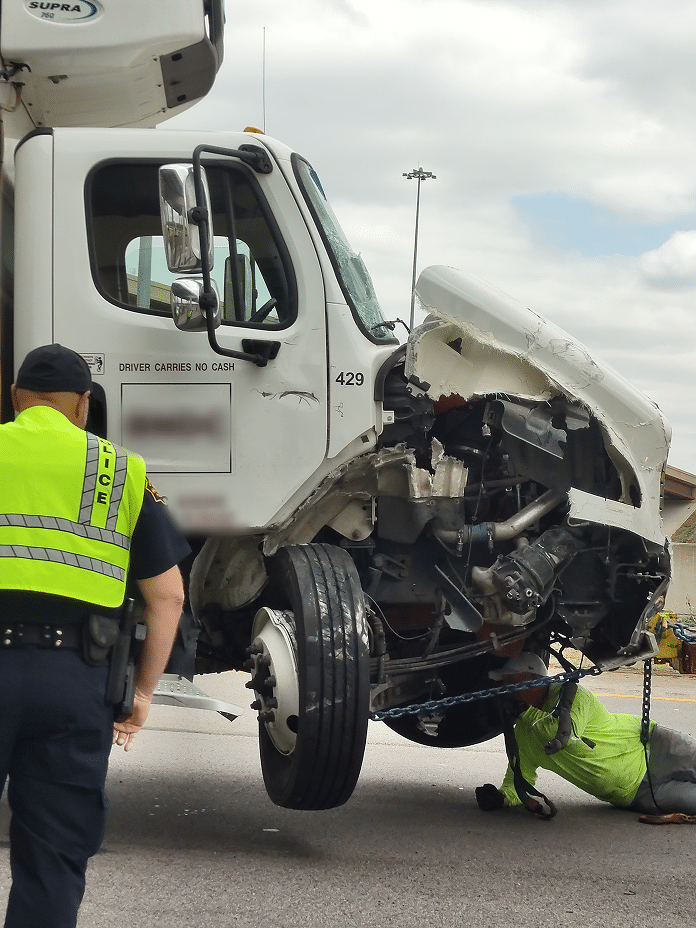



One moment, you are climbing into an Uber or Lyft in Uptown, downtown, or at Love Field, just trying to get where you are going. The next moment, a rideshare driver is rear-ended, sideswiped, or blows through a light, and your night turns into a blur of sirens, ER visits, and phone calls you never planned on making. You should not have to take on a billion-dollar rideshare company and multiple insurance carriers by yourself.
After a Dallas rideshare accident, the insurance situation gets complicated fast. The rideshare company, the driver’s personal insurer, and the insurance for any other vehicles involved all move quickly to protect their bottom line. While you are focused on medical treatment and missing time from work, they are already sorting out coverage, pointing fingers at each other, and looking for reasons to pay you as little as possible.
That is when you call Jim Adler & Associates. Led by Texas trial lawyer Jim Adler, our Dallas rideshare accident team works to even the playing field and push back when Uber, Lyft, and their insurers try to dodge responsibility.
With offices serving Dallas and communities throughout Texas, our team can move quickly to protect evidence and start building your rideshare claim. Your first step is a FREE rideshare accident case review.
Call 1-800-505-1414 now or click here to get started online.
With thousands of 18 wheeler accident lawsuits filed, our numbers speak for themselves.
Client Received
$15, 461, 000
Attorney Fees
$10, 398, 984 .43
Expenses
$140, 015 .57
Client Received
$15, 461, 000
Attorney Fees
$10, 398, 984 .43
Expenses
$140, 015 .57
Client Received
$9, 436, 300
Attorney Fees
$6, 399, 965
Expenses
$163, 735
Client Received
$9, 436, 300
Attorney Fees
$6, 399, 965
Expenses
$163, 735
Client Received
$4, 898, 086
Attorney Fees
$3, 806, 000
Expenses
$227, 835
Client Received
$4, 898, 086
Attorney Fees
$3, 806, 000
Expenses
$227, 835
Client Received
$3, 237, 600
Attorney Fees
$2, 199, 623 .77
Expenses
$62, 776 .23
Client Received
$3, 237, 600
Attorney Fees
$2, 199, 623 .77
Expenses
$62, 776 .23
If you or someone you love has been hurt in a rideshare accident, you already know how confusing and overwhelming the aftermath can be. You are dealing with painful injuries, mounting medical expenses, and questions about who is responsible when an Uber, Lyft, or other rideshare vehicle is involved. The rideshare company and its insurance carriers are already working to protect themselves, and you deserve someone in your corner who will fight just as hard for you.
Rideshare accidents have become an increasingly serious problem across Dallas and the rest of Texas. Research from the University of Chicago Booth School of Business found that the arrival of rideshare services is associated with a two to three percent increase in motor vehicle fatalities nationwide, representing nearly 1,000 additional lives lost each year.[1] A Dallas rideshare accident lawyer handles injury claims involving Uber, Lyft, Alto, and other rideshare companies by taking on their insurers and fighting to get you the compensation you deserve.
At Jim Adler, The Texas Hammer®, we have spent decades helping injured Texans take on powerful companies and their insurers. We represent passengers who were hurt during a ride, drivers and passengers in other vehicles struck by rideshare cars, pedestrians and cyclists hit by rideshare drivers, and rideshare drivers themselves who were injured by someone else’s negligence. No matter how your accident happened, we are ready to fight for you, too.
If you have been hurt in a rideshare accident, you should seek medical attention right away and then contact a Dallas rideshare accident attorney who can protect your rights before critical evidence disappears. Rideshare cases are more complex than standard car accidents because multiple insurance policies may apply depending on whether the driver’s app was off, waiting for a ride request, or actively transporting a passenger. An experienced lawyer can determine which coverage applies to your situation, handle communications with the rideshare company and its insurers, and fight to get you the compensation you need to recover.
Our Dallas ridesharing accident lawyers represent injured people in a wide range of rideshare-related situations, including the following:
If any of these situations sound like what you are going through, call Jim Adler & Associates today for a free, no-obligation case evaluation.* Our team is available around the clock to answer your questions and help you understand your legal options.
“The insurance company wanted me to settle for a lot less and Jim Adler negotiated for me to get a lot more. ” Ariana
“Jim Adler took care of, literally, everything. I didn't have to do anything.” Whitney
“Man, he worked fast. From my vehicle getting fixed ... and getting paid what I deserve for the accident. ” Sergio
“Jim Adler was to me, he was the last string of hope that I had. He was my saver.” Bryan
“I called Jim Adler and he came through. They got me more than the insurance company had offered.” Tamara
“Definitely took charge of the situation from the very beginning. It was A-Z. I didn't have to do anything... I was definitely happy with the compensation.” Troy
When a typical car accident happens, figuring out whose insurance pays is usually straightforward. Rideshare accidents are far more complicated because the answer depends on what the driver was doing at the exact moment of the collision, which insurance policies apply, and how the rideshare company’s rules interact with Texas law. Understanding these differences matters because the wrong approach can leave you fighting multiple insurance companies while your bills and medical expenses pile up.
The question of who pays after a rideshare accident often comes down to what the driver’s app was doing at the time of the collision. If the driver’s app was turned off, only their personal auto insurance applies, and many personal policies exclude commercial driving entirely. If the app was on but the driver was waiting for a ride request, a limited policy kicks in with minimum coverage of $50,000 per person for injuries, $100,000 per accident, and $25,000 for property damage under Texas Insurance Code Section 1954.052.[2] Once the driver accepts a ride or has a passenger in the vehicle, the rideshare company must provide at least $1 million in liability coverage under Texas Insurance Code Section 1954.053.[2]
Companies like Uber and Lyft have large legal teams and well-funded insurance carriers whose job is to protect corporate profits rather than pay injured people what they deserve. These companies have spent years designing their business models to limit their own liability, and their insurers know every trick in the book when it comes to denying claims, delaying payments, and pressuring injured people into accepting lowball settlements before they understand the true value of their case.
“The insurance company wanted me to settle for a lot less and Jim Adler negotiated for me to get a lot more. ” Ariana
Rideshare accidents in Dallas affect a wide range of people, including other drivers on the road, pedestrians crossing the street, cyclists sharing the lane, and even the rideshare drivers themselves. At Jim Adler & Associates, we represent anyone whose life has been turned upside down by a rideshare-related collision, regardless of how they were involved in the accident.
As a passenger in an Uber, Lyft, Alto, or any of the other rideshare companies, you trusted the driver to get you safely to your destination. Unfortunately, rideshare passengers are injured every day in rear-end collisions at red lights, T-bone accidents at busy intersections, high-speed crashes on highways like I-35E and I-30, and rollover accidents caused by distracted or reckless driving. These accidents can leave you with serious injuries that require extensive medical treatment and time away from work.
The good news is that rideshare passengers are almost never considered at fault for accidents because they had no control over how the vehicle was operated. The challenge is figuring out which insurance policy covers your injuries and ensuring you receive the full compensation you deserve, rather than a lowball offer designed to make you go away. A Dallas rideshare accident attorney can navigate the complex web of insurance policies, handle communications with the rideshare company, and fight to get you the money you need to recover.
If you were driving your own car or riding as a passenger when a rideshare vehicle struck you, you have the right to pursue compensation from the at-fault driver and potentially from the rideshare company’s insurance policy. These claims can become complicated because determining which policy applies depends on what the rideshare driver was doing at the moment of impact. The rideshare company’s insurer may try to deny your claim by arguing that the driver’s app was off or that the driver was between rides, leaving you to fight with the driver’s personal insurance carrier instead.
Our Dallas ridesharing accident lawyers know how to obtain the app data and trip logs that prove exactly what the driver’s status was at the time of your accident. We investigate every potential source of compensation, including the rideshare company’s $1 million policy, the driver’s personal coverage, and your own uninsured or underinsured motorist protection if needed. You should not have to fight this battle alone while you are trying to heal from your injuries.
Pedestrians and cyclists are especially vulnerable when rideshare drivers make careless mistakes. A distracted driver checking their app for the next ride request may fail to notice someone in a crosswalk, and a driver rushing to pick up a passenger may roll through a stop sign without looking for cyclists. These accidents often result in catastrophic injuries because walkers and riders on bikes have no protection from the force of a vehicle collision.
If you were struck by a rideshare vehicle while walking or cycling in Dallas, you may have a claim against the rideshare company’s insurance policy as well as any other at-fault parties who contributed to the accident. Our team understands how to build these cases and pursue maximum compensation for your medical expenses, lost income, pain and suffering, and any long-term disabilities caused by your injuries.
Rideshare drivers face unique risks every time they get behind the wheel. You spend hours on the road picking up passengers and navigating busy Dallas traffic, and that exposure increases your chances of being hit by a reckless or impaired driver. When another motorist causes an accident that leaves you injured, you deserve compensation for your medical bills, lost earnings, and the pain this collision has caused, but getting that compensation can be surprisingly difficult.
Our Dallas rideshare accident lawyers help injured rideshare drivers access every available source of recovery, including the at-fault driver’s liability insurance, the rideshare company’s uninsured and underinsured motorist coverage, and your own personal auto policy. We understand the insurance rules that apply to transportation network company drivers under Texas law, and we fight to ensure you are not left paying out of pocket for an accident caused by someone else.
Our Dallas rideshare accident lawyers help Texans get the financial compensation they deserve. We only get paid if you win.* And we fight to win.
Rideshare accidents usually happen for the same reasons as other car collisions, but the unique pressures of the rideshare business model can increase the risk. Drivers who are rushing to complete more trips, constantly checking their apps for the next fare, or working long shifts to make ends meet may be more likely to make dangerous mistakes behind the wheel. Understanding what caused your accident matters because it helps identify who should be held responsible for your injuries and how to build the strongest possible case for compensation.
Distracted driving is one of the most common causes of rideshare accidents because the job itself requires constant smartphone use. The National Highway Traffic Safety Administration reports that distracted driving claimed 3,275 lives in a single recent year, and sending or reading a text takes a driver’s eyes off the road for approximately five seconds, which is long enough to travel the length of a football field at highway speeds.[4] Rideshare drivers must monitor their apps for incoming ride requests, follow GPS directions to unfamiliar locations, communicate with passengers about pickup spots, and sometimes juggle multiple rideshare platforms. All of this screen time creates dangerous situations that can lead to serious collisions.
Speeding is another frequent problem because rideshare drivers have a financial incentive to complete as many trips as possible in the shortest amount of time. A driver trying to squeeze in one more fare before the end of a shift may take risks a more cautious driver would avoid, including running red lights, making aggressive lane changes, and following other vehicles too closely. Fatigued driving is also a serious concern in the rideshare industry because many drivers work extremely long hours or log onto the app after finishing a full day at another job. The American Academy of Sleep Medicine has identified fatigue and sleepiness as inherent safety risks for rideshare drivers, noting that many drivers in the industry have full-time jobs and drive only for extra income, leading them to operate vehicles while dangerously tired.[5] Drowsy drivers have slower reaction times and impaired judgment, which can be just as dangerous as driving under the influence of alcohol or drugs.
Unlike commercial trucking companies or taxi services, rideshare companies do not own the vehicles their drivers use and do not directly control their maintenance. Many rideshare drivers use older personal cars that may have worn brake pads, bald tires, faulty headlights, or other mechanical problems that increase the risk of an accident. When a driver fails to keep their vehicle in a safe operating condition and that failure contributes to a collision, the driver can be held liable for the resulting injuries.
Defective vehicle parts can also cause rideshare accidents even when the driver has done everything right. Brake failures, steering defects, tire blowouts, and other mechanical malfunctions may trace back to manufacturing errors or improper repairs, which means the parts manufacturer or a negligent mechanic could share responsibility for your injuries. Dangerous road conditions throughout Dallas create additional hazards for rideshare drivers and everyone else on the road. Potholes, missing signage, poorly lit intersections, and construction zones on major routes like I-35E, I-30, LBJ Freeway, and US-75 can all contribute to serious accidents. When a government entity’s failure to maintain safe roads plays a role in your collision, you may have a claim against that entity, although these cases involve special procedures and deadlines that require experienced legal guidance.
The moments after a rideshare accident can be overwhelming, and it is hard to think clearly when you are hurt, scared, and trying to process what just happened. Taking certain steps in the hours and days following your accident may help protect both your health and your ability to seek compensation later. The following suggestions are general guidelines only and should not be considered legal advice for your specific situation. Every accident is different, and you should speak with a qualified attorney about your particular circumstances.
If you are able to move safely, getting away from traffic and potential hazards like leaking fuel may help prevent further injuries while you wait for emergency responders to arrive. Calling 911 right away to report the accident and request medical assistance if anyone is hurt is generally advisable, and the police report created from this call often becomes an important piece of evidence for insurance claims. While you wait for help to arrive, you may want to collect contact and insurance information from all drivers involved in the accident, including the rideshare driver’s name, phone number, and the name of the company they drive for.
Taking a screenshot of your trip information in the Uber app, Lyft app, or Alto app can help preserve details about the ride, including the driver’s name, vehicle information, and the route you were traveling. You may also want to take photos and videos of the accident scene if you are physically able to do so, capturing vehicle damage from multiple angles, road conditions, skid marks, traffic signals, weather conditions, and any visible injuries. Collecting names and contact information from witnesses who saw the accident can provide independent accounts of what happened if questions arise later.
Getting a full medical evaluation as soon as possible after your accident is one of the most important things you can do to protect your health. Some serious injuries like whiplash, concussions, and internal bleeding do not show obvious symptoms right away, and what feels like minor soreness can turn into severe pain hours or days after the collision. Seeing a doctor promptly also creates a medical record that connects your injuries to the accident, which may be important if you later pursue a claim for compensation.
If you are worried about paying for medical treatment while your case is pending, our team may be able to help you access care through a Letter of Protection. This arrangement allows doctors in our network to provide treatment now and wait for payment until your case is resolved, helping you get the care you need without paying out of pocket upfront. You should also consider saving all receipts and records related to your accident, including medical bills, pharmacy costs, towing charges, rental car expenses, and documentation of any time you have missed from work. One thing we strongly recommend is avoiding posts about your accident on social media, because insurance adjusters routinely search for photos, comments, and updates they can use to dispute your claim or minimize your injuries.
We strongly encourage you to exercise caution before providing any recorded statements or signing any documents from the rideshare company’s insurance carrier. These adjusters may sound friendly and helpful, but their job is to protect their company’s money, not to help you get the compensation you deserve. They often reach out to accident victims within hours of a crash, hoping to lock in statements or quick settlements before people understand the full extent of their injuries. Anything you say to an adjuster could potentially be used to reduce your compensation later, and even comments that seem harmless at the time could be interpreted in ways you did not intend.
Contacting a Dallas rideshare accident lawyer before you communicate with any insurance company can help protect your rights during this process. At Jim Adler & Associates, we take over communications with the insurance companies from day one so you can focus on healing while we handle the adjusters. We offer free, no-obligation consultations to discuss your situation and help you understand your options.* Call The Texas Hammer® today to speak with a member of our team about what happened and what steps may make sense for your circumstances.

References
[1] University of Chicago Booth School of Business, Ride-Sharing Services May Lead to More Fatal Accidents. https://www.chicagobooth.edu/review/ride-sharing-services-may-lead-more-fatal-accidents
[2] Texas Insurance Code, Chapter 1954, Transportation Network Company Insurance. https://statutes.capitol.texas.gov/Docs/IN/htm/IN.1954.htm
[4] National Highway Traffic Safety Administration, Distracted Driving. https://www.nhtsa.gov/risky-driving/distracted-driving
[5] American Academy of Sleep Medicine, The Risk of Fatigue and Sleepiness in the Ridesharing Industry. https://jcsm.aasm.org/doi/10.5664/jcsm.7072
[6] Texas Civil Practice and Remedies Code, Chapter 16, Section 16.003, Two-Year Limitations Period. https://statutes.capitol.texas.gov/Docs/CP/htm/CP.16.htm
[7] Texas Civil Practice and Remedies Code, Chapter 33, Section 33.001, Proportionate Responsibility. https://statutes.capitol.texas.gov/Docs/CP/htm/CP.33.htm
[8] Texas Civil Practice and Remedies Code, Chapter 41, Damages. https://statutes.capitol.texas.gov/docviewer?docPath=%2FCP%2Fhtm%2FCP.41.htm
One of the most frustrating parts of a rideshare accident is figuring out which insurance company should pay for your injuries. Unlike a typical car accident, where you generally deal with one or two insurance policies, rideshare claims can involve multiple layers of coverage that shift depending on what the driver was doing at the exact moment of the collision. Insurance companies know this system is confusing, and they often use that confusion to delay payments, deny claims, or point fingers at each other while you are left waiting for the money you need to cover your medical bills and lost wages.
The question of which insurance applies after a rideshare accident depends almost entirely on the driver’s “app status” at the time of the collision. Texas law establishes three distinct coverage phases that determine the amount of insurance available and who is responsible for providing it.
When the driver’s app is turned off, only their personal auto insurance applies to any accident they cause. The problem is that most personal auto policies specifically exclude coverage for commercial driving activities, which means you could discover that the driver who hit you has no valid coverage at all despite being on the road as a rideshare driver just minutes earlier. When the driver has the app turned on but is waiting for a ride request, a limited coverage phase kicks in. Under Texas Insurance Code Section 1954.052, the rideshare company must provide at least $50,000 per person for bodily injury, $100,000 per accident, and $25,000 for property damage during this waiting period.[2] These amounts may not come close to covering serious injuries that require surgery, hospitalization, or long-term rehabilitation.
Once the driver accepts a ride request or has a passenger in the vehicle, the rideshare company’s full coverage applies. Under Texas Insurance Code Section 1954.053, companies like Uber and Lyft must carry at least $1 million in liability coverage during this active phase of the ride.[2] This coverage applies whether the driver is heading to pick up a passenger or is actively transporting someone to their destination. The challenge is proving exactly what phase the driver was in at the moment your accident happened, and insurance companies frequently dispute this issue to avoid paying larger claims. Determining the driver’s status often requires legal action to subpoena app data, trip logs, and GPS records from the rideshare company before this evidence disappears or gets overwritten.
Rideshare accidents often involve more parties than just the rideshare driver, and identifying every available source of compensation can make a significant difference in your recovery. If another driver caused or contributed to the accident, their liability insurance may also be responsible for covering your injuries. For example, if a drunk driver ran a red light and T-boned the Uber you were riding in, you could potentially pursue claims against both the drunk driver’s insurance and the rideshare company’s policy, depending on the circumstances.
Uninsured and underinsured motorist coverage can become critically important when the at-fault driver has no insurance or does not carry enough coverage to pay for your injuries. This type of coverage, often called UM/UIM, may be available through the rideshare company’s policy, through your own auto insurance, or through both. In simple terms, UM/UIM coverage steps in to help pay your medical bills and other losses when the person who caused your accident cannot cover them.
Your own health insurance can also help cover medical expenses after a rideshare accident, although your health insurer may later seek reimbursement from any settlement or verdict you receive. Some auto policies also include Medical Payments coverage, sometimes called MedPay, which pays for medical expenses regardless of who was at fault for the accident. A Dallas ridesharing accident lawyer can help you identify all the insurance policies that may apply to your situation and pursue compensation from every available source so you are not left paying out of pocket for someone else’s negligence.
With hundreds of rideshare accident lawsuits filed, our numbers speak for themselves.
Client Received
$15, 461, 000
Attorney Fees
$10, 398, 984 .43
Expenses
$140, 015 .57
Client Received
$15, 461, 000
Attorney Fees
$10, 398, 984 .43
Expenses
$140, 015 .57
Client Received
$9, 436, 300
Attorney Fees
$6, 399, 965
Expenses
$163, 735
Client Received
$9, 436, 300
Attorney Fees
$6, 399, 965
Expenses
$163, 735
Client Received
$4, 898, 086
Attorney Fees
$3, 806, 000
Expenses
$227, 835
Client Received
$4, 898, 086
Attorney Fees
$3, 806, 000
Expenses
$227, 835
Client Received
$3, 237, 600
Attorney Fees
$2, 199, 623 .77
Expenses
$62, 776 .23
Client Received
$3, 237, 600
Attorney Fees
$2, 199, 623 .77
Expenses
$62, 776 .23
Texas law provides important protections for people injured in rideshare accidents, but navigating these legal rules on your own can be overwhelming when you are also trying to recover from serious injuries. Understanding who can be held responsible, how long you have to file a claim, and what happens if the insurance company tries to blame you for part of the accident can help you make informed decisions about your case. The information below is for general educational purposes only and should not be considered legal advice for your specific situation.
Rideshare accidents often involve multiple parties who share responsibility, and identifying everyone who should be held accountable can significantly increase the compensation available to cover your injuries. The rideshare driver who caused the accident is the most obvious potential defendant, but the rideshare company itself may also be liable through its insurance policies or for its own negligence, such as failing to conduct adequate background checks or verify a driver’s driving history. Other negligent drivers may share responsibility in multi-vehicle collisions, and manufacturers or repair shops could be liable if defective vehicle parts contributed to the crash. Government entities may be responsible when dangerous road conditions played a role, although claims against government entities involve special notice requirements and shorter deadlines that make prompt legal action especially important.
Under Texas Civil Practice and Remedies Code Section 16.003, most personal injury lawsuits, including those arising from rideshare accidents, must be filed within two years of the date of the accident.[6] If a loved one died in the accident, wrongful death claims must also be filed within two years of the date of death. Missing this deadline almost always means losing your right to seek compensation forever, no matter how strong your case might be.
Two years may sound like plenty of time, but waiting too long can seriously damage your ability to recover fair compensation. Critical evidence like app data, trip logs, and dashcam footage can be deleted or overwritten if no one takes action to secure it. Witnesses move away, forget details, or become harder to locate as time passes. Medical records become more difficult to connect to the accident when there are gaps in treatment. The insurance companies know all of this, and they benefit when injured people delay taking action. Deadlines can also vary based on the specific facts of your case, including who was involved and what type of claim you are pursuing. Speaking with a Dallas rideshare accident attorney as soon as possible after your accident is the best way to make sure you do not miss any important deadlines.
Insurance companies frequently try to reduce what they owe by arguing that the injured person was partially at fault for the accident. Texas follows a modified comparative negligence rule under Texas Civil Practice and Remedies Code Section 33.001, which means your compensation may be reduced if you share some of the blame, but you do not automatically lose your right to recover.[7]
If you are found to be 50 percent or less at fault for the accident, you can still recover compensation, but your award will be reduced by your percentage of responsibility. For example, if your total damages are $100,000 and you are found to be 20 percent at fault, you would receive $80,000. However, if you are found to be 51 percent or more at fault, you generally cannot recover any compensation at all under Texas Civil Practice and Remedies Code Section 33.001.[7] Insurance adjusters understand this rule and often try to shift as much blame as possible onto the injured person to reduce or eliminate what they have to pay. The Texas Hammer® fights back against these tactics and works to make sure fault is assigned fairly based on the actual evidence, not the insurance company’s self-serving version of events.
Many of the most serious injuries from rideshare accidents are invisible at first. You may walk away from the scene feeling shaken but relatively okay, only to discover hours or days later that something is seriously wrong. The adrenaline that floods your body after a traumatic event can mask pain and other symptoms, which is why seeking medical attention promptly is so important even when you think you are fine. The injuries described below are among the most common conditions our clients experience after rideshare collisions, and understanding what you may be facing can help you make informed decisions about your medical care and legal options.
Rideshare accidents can cause devastating injuries that require extensive medical treatment and may permanently change your life. Many of the most serious injuries do not show obvious symptoms right away, which is why seeking prompt medical evaluation after any collision is so important. Common physical injuries from rideshare accidents include the following:
Physical injuries are not the only wounds that rideshare accident victims carry with them. The terror of the collision, the pain of recovery, and the stress of mounting bills all take a psychological toll that deserves recognition and treatment. Many victims develop post-traumatic stress disorder, experiencing flashbacks, nightmares, and severe anxiety that makes riding in vehicles nearly impossible. Depression, sleep problems, and loss of enjoyment of life are also common, especially when physical injuries prevent you from participating in activities that once brought you happiness. These psychological effects can strain relationships, interfere with work, and diminish your quality of life for years.
Tragically, some rideshare accidents result in death, leaving families to cope with sudden and devastating loss. When a loved one dies because of a rideshare driver’s negligence, another motorist’s reckless behavior, or a rideshare company’s failure to ensure passenger safety, surviving family members may have the right to pursue a wrongful death claim under Texas Civil Practice and Remedies Code Section 71.002.[9] No amount of money can replace someone you love, but holding the responsible parties accountable can provide financial security for your family and a measure of justice for the life that was taken.
Jim Adler & Associates has represented grieving families across Texas in wrongful death cases, and we are here to help you through this difficult time if you have lost someone in a rideshare accident.
Every rideshare accident case is different, but many clients can pursue both economic and non-economic damages when someone else’s negligence caused their injuries. Economic damages cover financial losses you can document with receipts and bills, while non-economic damages recognize the human cost of your injuries that cannot be easily measured in dollars.
Physical injuries are not the only wounds that rideshare accident victims carry with them. The terror of the collision, the pain of recovery, and the stress of mounting bills all take a psychological toll that deserves recognition and treatment. Many victims develop post-traumatic stress disorder, experiencing flashbacks, nightmares, and severe anxiety that makes riding in vehicles nearly impossible. Depression, sleep problems, and loss of enjoyment of life are also common, especially when physical injuries prevent you from participating in activities that once brought you happiness. These psychological effects can strain relationships, interfere with work, and diminish your quality of life for years.
After a serious rideshare accident, you need more than just a lawyer who will file some paperwork and wait for a settlement check. You need a team that will move fast, dig deep, and fight hard to get you and your family what you deserve. At Jim Adler & Associates, we have been standing up for injured Texans since 1973, and we bring more than 50 years of experience to every case we handle.
When you contact our firm, you will speak with a member of our team who will listen to what happened and ask questions to understand your situation. We review the basic facts of your accident, answer your questions about the legal process, and discuss which insurance policies might apply and what evidence needs to be secured quickly. This consultation is completely free, everything you share is confidential, and there is no obligation to hire us afterward.
Building a strong rideshare accident case requires moving quickly to secure evidence before it disappears. Our team gets to work right away, requesting police reports and obtaining app and trip data from Uber, Lyft, or other rideshare companies that can show exactly what the driver’s status was at the time of the collision. We also work to secure dashcam footage, surveillance video from nearby businesses, and electronic data from the vehicles involved. In complex cases, we interview witnesses and consult with accident reconstruction experts who can analyze the physical evidence and explain exactly how the collision happened.
Understanding the full impact of your injuries is essential to pursuing fair compensation. We collaborate with your treating physicians to document your current condition and future care needs, and when necessary, we work with independent medical experts who can provide objective opinions about your prognosis. Financial experts help calculate losses like diminished earning capacity, ongoing medical care costs, and the economic value of household services you can no longer perform.
Once we have gathered the evidence and documented your damages, we prepare a comprehensive demand package and negotiate aggressively with the insurers. If the insurance company refuses to offer a fair settlement, we are fully prepared to file a lawsuit and take your case to trial. At Jim Adler & Associates, we have a team of more than 30 attorneys and 300 legal professionals with the resources to go up against well-funded rideshare companies, and our track record includes multi-million dollar verdicts and settlements for accident victims.
One of the first questions people ask after a rideshare accident is how much their case might be worth. The honest answer is that no ethical lawyer can guarantee a specific dollar amount before thoroughly investigating your case and understanding the full extent of your injuries. Several key factors influence case value, including the severity and permanence of your injuries, your total medical expenses, both past and future, time missed from work and impact on your career, the strength of the liability evidence, and the available insurance coverage. Whether you share any fault for the accident can also reduce your recovery under Texas Civil Practice and Remedies Code Section 33.001, and if you are found to be more than 50 percent responsible, you may not be able to recover anything at all.[7]
Online calculators and generic estimates cannot account for the unique facts of your situation, and relying on them can lead to unrealistic expectations or cause you to undervalue a serious claim. The best way to understand what your case may be worth is to speak directly with an experienced Dallas rideshare accident attorney who can review your specific circumstances and give you honest guidance. Call Jim Adler & Associates today for a free, no-obligation consultation, and let us help you understand your options.*
When you are injured in a rideshare accident, you have many choices for legal representation. Billboards, television commercials, and online ads all promise great results, but not every law firm has the experience, resources, and commitment to actually deliver on those promises. Choosing the right lawyer can make a significant difference in the outcome of your case and in your experience throughout the legal process. Here is why injured Texans have trusted Jim Adler, The Texas Hammer®, for more than 50 years.
Jim Adler & Associates has been fighting for injured Texans since 1973, and we have handled thousands of car accident, truck accident, and rideshare accident cases across Dallas and North Texas. Our attorneys understand the unique challenges that rideshare cases present, including the complex insurance structures, the tactics rideshare companies use to avoid responsibility, and the technical evidence, such as app data and trip logs, that can make or break a claim. We stay current on the laws and regulations that govern transportation network companies so we can hold Uber, Lyft, and other rideshare platforms accountable when their drivers cause serious injuries.
Our legal team includes attorneys who focus specifically on personal injury and wrongful death cases, which means we are not distracted by other practice areas or trying to be generalists who handle a little bit of everything. When you hire Jim Adler & Associates, you get a team that dedicates its full attention to helping injured people recover the compensation they deserve.
Our track record speaks for itself. Jim Adler & Associates has recovered millions of dollars for accident victims across Texas, including multi-million dollar verdicts and settlements in cases involving catastrophic injuries and wrongful death. While every case is different and past results do not guarantee future outcomes, our history demonstrates that we have the skills and resources to take on powerful defendants and their insurance companies.
Our reputation extends beyond the courtroom. Jim Adler, The Texas Hammer®, is one of the most recognized names in Texas personal injury law, and our firm has earned that recognition through decades of aggressive advocacy for injured people. We are proud of the testimonials we receive from clients who appreciate not only the results we achieved but also how we treated them throughout the process. Insurance companies and defense lawyers know our
When you call our firm, you will not be left wondering about the status of your case. You work directly with a dedicated legal team that keeps you informed every step of the way, and we are available around the clock to answer your questions and address your concerns. We understand that accidents do not happen at a convenient time, which is why we offer same-day callbacks and are available when you need us most.
We also understand that a rideshare accident affects your whole life, not just your legal situation. Our team can help you navigate medical scheduling and billing issues, connect you with doctors who can provide treatment through a Letter of Protection if you are worried about upfront costs, and communicate with you in plain language rather than confusing legal jargon. If you cannot come to our office because of your injuries, we are willing to travel to your home or hospital to meet with you. We treat every client like a person, not just another case number.
You should never have to pay out of pocket to find out if you have a case or to get a lawyer working for you. At Jim Adler & Associates, your consultation is free, and we handle rideshare accident cases on a contingency fee basis.* That means you pay no attorney fees unless we recover money for you.* If we do not win your case, you owe us nothing for our time and effort.
Jim Adler & Associates represents rideshare accident victims throughout Dallas and the entire Dallas-Fort Worth metroplex. Whether your accident happened in the heart of the city or in one of the surrounding suburbs, our team is ready to fight for the compensation you deserve.
We serve clients in Dallas neighborhoods, including:
Our reach extends far beyond Dallas city limits to cities and suburbs throughout North Texas, including:
Rideshare accidents happen every day on the major highways and corridors that connect the metroplex. Our attorneys have experience handling cases involving collisions on I-35E, I-30, I-20, US-75, the President George Bush Turnpike, LBJ Freeway, the Dallas North Tollway, and State Highway 121. These busy routes see heavy rideshare traffic as drivers transport passengers to and from DFW International Airport, Love Field, downtown offices, entertainment districts, and residential neighborhoods throughout the region. If you were hurt in a rideshare accident anywhere in North Texas, call Jim Adler & Associates today to discuss your case.*
You do not have to take on Uber, Lyft, or their powerful insurance companies alone. Call us now to speak with a member of our team, or fill out the contact form on this page to request a free case evaluation. We offer virtual consultations for your convenience and are available after hours and on weekends to accommodate your schedule. Rideshare accident cases move fast, and early action protects your rights and preserves the evidence you need to build a strong claim. The Texas Hammer® is here for injured Texans and their families, so let us carry the legal burden while you focus on getting better.
If you are able to do so safely, move away from traffic, call 911 to report the accident and request medical assistance, and try to collect information from all drivers involved, including the rideshare driver’s name, insurance details, and the company they drive for. Taking a screenshot of your trip in the Uber, Lyft, or Alto app can help preserve important details, and photographing the accident scene, vehicle damage, and any visible injuries may be valuable later. You should seek medical attention as soon as possible, even if you feel fine, because serious injuries like concussions and internal bleeding often do not show obvious symptoms right away. Call Jim Adler & Associates for a free consultation to discuss your specific situation and learn how we can help protect your rights.*
Rideshare companies have structured their business models to limit their direct liability by classifying drivers as independent contractors rather than employees. However, you can typically pursue claims against the rideshare company’s insurance policy when its driver causes an accident while logged into the app, and in some cases, you may be able to bring direct claims against the company for negligent hiring practices, failure to conduct adequate background checks, or allowing dangerous drivers to remain on the platform. These cases can be complex, and the rideshare companies have teams of lawyers working to protect their interests. Call us today to discuss whether you may have a claim against Uber, Lyft, or another rideshare company.*
If the rideshare driver’s app was turned off at the time of the accident, the rideshare company’s insurance policy generally does not apply, and you would need to pursue a claim against the driver’s personal auto insurance instead. The problem is that many personal auto policies exclude coverage for commercial driving activities, which could leave you with limited options for recovery if the driver does not have adequate coverage. Determining the driver’s app status often requires obtaining data from the rideshare company through formal legal demands, which is one reason why having an experienced attorney matters in these cases. Let our team investigate your accident and identify all available insurance coverage.*
When multiple people are injured in a rideshare accident, and the available insurance coverage is not sufficient to fully compensate everyone, the situation becomes more complicated. You may need to explore additional sources of recovery, including uninsured or underinsured motorist coverage from your own auto policy, claims against other at-fault parties, or the rideshare company’s excess coverage in certain situations. An experienced attorney can help identify all potential sources of compensation and work to maximize your recovery even when insurance limits are a concern. Call our team to discuss your options if you are worried about whether there is enough coverage available.*
After a rideshare accident in Dallas, you need a team that knows how to take on Uber, Lyft, and their powerful insurance companies. Jim Adler & Associates steps in to secure evidence, handle insurance communications, and build your case while you focus on recovery. We fight rideshare companies with thorough preparation and aggressive representation, not empty promises. Our team is available to speak with you in both English and Spanish.
We offer a free case review to help you understand your options before you commit.* No fee unless we win.* Rideshare accident cases move fast, and early action protects your rights and preserves critical evidence. The Texas Hammer® is here for injured Texans and their families. If a rideshare accident turned your life upside down in Dallas or anywhere in the DFW metroplex, let our team carry the legal load so you can focus on healing.
[1] University of Chicago Booth School of Business, “Ride-Sharing Services May Lead to More Fatal Accidents.” https://www.chicagobooth.edu/review/ride-sharing-services-may-lead-more-fatal-accidents
[2] Texas Insurance Code, Chapter 1954, “Transportation Network Company Insurance.” https://statutes.capitol.texas.gov/Docs/IN/htm/IN.1954.htm
[3] Texas Occupations Code, Chapter 2402, “Transportation Network Companies.” https://statutes.capitol.texas.gov/Docs/OC/htm/OC.2402.htm
[4] National Highway Traffic Safety Administration, “Distracted Driving.” https://www.nhtsa.gov/risky-driving/distracted-driving
[5] American Academy of Sleep Medicine, “The Risk of Fatigue and Sleepiness in the Ridesharing Industry.” Journal of Clinical Sleep Medicine. https://jcsm.aasm.org/doi/10.5664/jcsm.7072
[6] Texas Civil Practice and Remedies Code, Chapter 16, Section 16.003, “Two-Year Limitations Period.” https://statutes.capitol.texas.gov/Docs/CP/htm/CP.16.htm
[7] Texas Civil Practice and Remedies Code, Chapter 33, Section 33.001, “Proportionate Responsibility.” https://statutes.capitol.texas.gov/Docs/CP/htm/CP.33.htm
[8] Texas Civil Practice and Remedies Code, Chapter 41, “Damages.” https://statutes.capitol.texas.gov/docviewer?docPath=%2FCP%2Fhtm%2FCP.41.htm
[9] Texas Civil Practice and Remedies Code, Chapter 71, Section 71.002, “Wrongful Death; Cause of Action.” https://statutes.capitol.texas.gov/docs/cp/htm/cp.71.htm
Hurt in an accident? Tell us what happened. We’ll give you straight answers — fast, free, and with no strings attached.*