
 Skip to content


If you or someone close to you has been hurt in a Fort Worth rideshare accident, you are probably dealing with a situation unlike any car accident you have experienced before. You may not know who was at fault, which insurance company should pay, or how to get your treatment costs covered while you are focused on healing. The rideshare company, its driver, and multiple insurance carriers are all pointing fingers at each other, and you deserve someone in your corner who knows how to cut through that confusion and fight for the compensation your family needs.
Ridesharing services like Uber and Lyft have become a routine part of life in Fort Worth and across Tarrant County, carrying passengers to and from the Stockyards, downtown, TCU, and DFW Airport every day. That growth in rideshare traffic means more vehicles on roads like I-35W, I-30, I-20, and I-820, and more opportunities for serious collisions. The Texas Department of Transportation reports that Tarrant County recorded more than 28,000 total traffic collisions in a single recent reporting period, including 189 fatal accidents and hundreds of suspected serious injury accidents.[1] Many of these collisions involved rideshare vehicles, delivery drivers, and other commercial traffic that create unique liability and insurance challenges for injured victims.
At Jim Adler, The Texas Hammer®, we have spent decades fighting for injured Texans in Fort Worth and throughout North Texas. Our team understands the complex insurance rules and liability questions that make rideshare accident cases different from a typical car accident, and we are ready to put that experience to work for you and your family.
A rideshare accident is not like a regular car accident where one driver’s insurance pays and the process moves forward in a relatively straightforward way. When an Uber or Lyft vehicle is involved, the question of who pays for your injuries depends on what the driver was doing on the app at the exact moment of the collision. The Texas Insurance Code, Chapter 1954 establishes different levels of insurance coverage depending on whether the driver was logged off, waiting for a ride request, or actively transporting a passenger.[2] Each of those phases triggers a different insurance policy with different coverage limits, and the insurance companies involved will fight hard to argue that someone else should be paying your claim.
That kind of complexity is exactly why you need an experienced accident attorney who handles rideshare cases. Without a lawyer who understands how these layered insurance policies work, you could end up getting bounced between the rideshare company, the driver’s personal insurer, and a third-party driver’s carrier, all while your medical bills continue to grow and your lost wages pile up. The insurance companies count on this confusion because it gives them time to build a defense, collect recorded statements, and pressure you into accepting far less than your injuries are worth. A rideshare accident lawyer in Fort Worth can step in right away to identify every available insurance policy, protect critical evidence from the rideshare app and the vehicles involved, and make sure no responsible party avoids accountability. At Jim Adler & Associates, our team has the resources and experience to take on these multi-layered cases, and we fight to make sure our clients receive every dollar of compensation they deserve.
Figuring out who is responsible for a rideshare accident in Fort Worth is often the most complicated part of the entire case. Unlike a straightforward collision between two privately owned vehicles, a Fort Worth rideshare accident may involve the driver, the rideshare company, a third-party motorist, and several different insurance carriers, all of whom have financial reasons to shift blame away from themselves. Understanding how liability works in these cases is essential for injured victims who want to pursue full and fair compensation for their injuries.
The rideshare driver is often the first person people look to when assigning fault, and in many cases the driver’s own negligence is a primary cause of the collision. Distracted driving is one of the most common causes of rideshare accidents because drivers frequently check their phones to accept ride requests, follow navigation directions, or communicate with passengers through the app. The Texas Department of Transportation reports that nearly one in five collisions on Texas roads involves a distracted driver, and rideshare drivers face even more distractions than typical motorists because the app itself demands their attention while they are behind the wheel.[3]
When a rideshare driver causes an accident through negligence, whether by texting, speeding, running a red light, or failing to yield, the driver bears personal responsibility for the harm they caused. The important question then becomes which insurance policy covers the driver at that specific moment, because the Texas Insurance Code, Section 1954.151 allows personal auto insurers to exclude coverage for any loss that occurs while a driver is logged on to a rideshare company’s digital network.[2] That exclusion can leave injured victims without access to the driver’s personal policy, making it critical to identify exactly what phase of app activity applied at the time of your accident.
Uber, Lyft, and other ridesharing services classify their drivers as independent contractors rather than employees, and the Texas Occupations Code, Section 2402.114 reinforces that classification as long as certain conditions are met.[4] This distinction matters because companies generally have less legal liability for the actions of independent contractors than they do for employees. Rideshare companies use this classification as a shield to argue that they should not be held directly responsible when one of their drivers causes an accident.
That shield is not as strong as the rideshare companies want you to believe. Even under the independent contractor framework, the rideshare company may still bear responsibility in certain situations, such as when the company failed to conduct an adequate background check on a driver with a history of reckless behavior, when the company’s app contributed to driver distraction, or when the company’s policies encouraged unsafe driving practices. Our accident attorney team at Jim Adler & Associates investigates whether the rideshare company’s own decisions played a role in causing or contributing to the accident, because holding the company accountable can significantly expand the insurance coverage and compensation available to cover your injuries.
With hundreds of truck accident lawsuits filed, our numbers speak for themselves.
Client Received
$15, 461, 000
Attorney Fees
$10, 398, 984 .43
Expenses
$140, 015 .57
Client Received
$15, 461, 000
Attorney Fees
$10, 398, 984 .43
Expenses
$140, 015 .57
Client Received
$9, 436, 300
Attorney Fees
$6, 399, 965
Expenses
$163, 735
Client Received
$9, 436, 300
Attorney Fees
$6, 399, 965
Expenses
$163, 735
Client Received
$4, 898, 086
Attorney Fees
$3, 806, 000
Expenses
$227, 835
Client Received
$4, 898, 086
Attorney Fees
$3, 806, 000
Expenses
$227, 835
Client Received
$3, 237, 600
Attorney Fees
$2, 199, 623 .77
Expenses
$62, 776 .23
Client Received
$3, 237, 600
Attorney Fees
$2, 199, 623 .77
Expenses
$62, 776 .23
Not every rideshare accident is the rideshare driver’s fault. In many cases, another motorist caused or contributed to the collision by running a red light, making an unsafe lane change, following too closely, or driving while impaired. When a third-party driver is at fault, that driver’s own auto insurance becomes the primary source of compensation for your injuries. If the at-fault driver was operating a commercial vehicle, such as a delivery van or an 18 wheeler, the liability and available insurance coverage may be even greater because commercial carriers are required to maintain higher policy limits.
Texas follows a modified comparative fault system under Texas Civil Practice and Remedies Code, Section 33.001, which means you can still recover compensation even if you were partially at fault for the accident, as long as your share of responsibility does not exceed 50 percent.[5] Your total recovery will be reduced by the percentage of fault assigned to you. Insurance companies regularly try to shift blame onto the injured person to reduce what they owe, and having an experienced personal injury lawyer on your side helps ensure that fault is assigned fairly based on the evidence.
The amount of insurance coverage available after a rideshare accident depends entirely on what the driver was doing on the rideshare app at the moment of the collision. The Texas Insurance Code, Chapter 1954 lays out three distinct phases, each with different minimum coverage requirements.[2]
When a rideshare driver is logged in to the app and waiting for a ride request but has not yet accepted one, Section 1954.052 requires the insurance policy to provide at least $50,000 for bodily injury per person, $100,000 for bodily injury per incident, and $25,000 for property damage.[2] These limits are significantly lower than the coverage available during an active ride, which means victims injured during this phase may face a more difficult path to full compensation.
Once the driver accepts a ride and is en route to collect a passenger, or while a passenger is in the vehicle, the coverage jumps dramatically. Section 1954.053 requires a total aggregate liability limit of $1 million for death, bodily injury, and property damage per incident, along with uninsured and underinsured motorist coverage where required.[2] This $1 million policy is one of the reasons rideshare accident cases can involve significant compensation, but the insurance company behind that policy will fight aggressively to pay as little as possible. If the driver was completely logged off the app at the time of the accident, only the driver’s personal auto insurance applies, and the rideshare company has no coverage obligation at all. Bill Adler and our legal team work to determine exactly which coverage phase applies to your Fort Worth rideshare accident so we can pursue every available policy on your behalf.
One of the most frustrating parts of a Fort Worth rideshare accident is discovering that the insurance process does not work the way you expected. In a typical car accident, you generally deal with one or two insurance companies, and the at-fault driver’s policy covers your damages up to its limits. Rideshare accidents involve a layered system of insurance policies that shift depending on the driver’s app status at the exact moment of the collision, and each insurer in that chain has a financial incentive to argue that a different policy should be paying your claim. Understanding how this system works can help you recognize the challenges ahead and why having an experienced accident attorney on your side matters from the very beginning.
“The insurance company wanted me to settle for a lot less and Jim Adler negotiated for me to get a lot more. ” Ariana
“Jim Adler took care of, literally, everything. I didn't have to do anything.” Whitney
“Man, he worked fast. From my vehicle getting fixed ... and getting paid what I deserve for the accident. ” Sergio
“Jim Adler was to me, he was the last string of hope that I had. He was my saver.” Bryan
“I called Jim Adler and he came through. They got me more than the insurance company had offered.” Tamara
“Definitely took charge of the situation from the very beginning. It was A-Z. I didn't have to do anything... I was definitely happy with the compensation.” Troy
When a rideshare driver is completely logged off the app and not engaged in any rideshare activity, the driver is treated like any other private motorist on the road. The rideshare company has no coverage obligation during this phase, and the driver’s personal auto insurance policy is the only source of compensation for anyone injured in a collision. Under Texas Transportation Code, Section 601.072, all Texas drivers must carry minimum liability coverage of $30,000 per person for bodily injury, $60,000 per incident for bodily injury, and $25,000 for property damage.[6]
Those state minimum limits may not come close to covering the full cost of serious injuries from a high-speed collision, especially when treatment costs, lost wages, and long-term rehabilitation are involved. If the at-fault driver only carries minimum coverage and your damages exceed that amount, your own underinsured motorist policy may need to fill the gap. This phase highlights why the timing of the accident relative to the driver’s app activity is so critical, because even a few seconds can determine whether you have access to the rideshare company’s far more substantial insurance coverage or are limited to a standard personal auto policy.
When the rideshare driver has the app turned on and is waiting for a ride request but has not yet accepted one, the coverage increases beyond personal auto insurance minimums but remains far below the protection available during an active ride. As outlined in Texas Insurance Code, Section 1954.052, the required minimums during this waiting period are $50,000 per person for bodily injury, $100,000 per incident for bodily injury, and $25,000 for property damage.[2]
These limits can be a serious problem for victims of Fort Worth rideshare accidents that result in catastrophic injuries like traumatic brain injuries, spinal cord damage, or injuries requiring multiple surgeries. A single emergency room visit followed by surgery and a hospital stay can easily exceed $50,000, leaving the injured person to fight for additional coverage from other sources. Making the situation even more difficult, Section 1954.151 allows personal auto insurers to exclude any loss that occurs while a driver is logged on to a rideshare digital network.[2] That means the driver’s personal policy may deny the claim entirely, and the rideshare company’s limited coverage during this phase may be all that is available. Jim Adler, The Tough, Smart Lawyer®, and our legal team know how to investigate the exact timeline of app activity and pursue every policy that may apply to your case.
Once a rideshare driver accepts a ride request and is en route to collect the passenger, or while the passenger is riding in the vehicle, the highest level of insurance coverage kicks in. Texas Insurance Code, Section 1954.053 requires a total aggregate liability limit of at least $1 million for death, bodily injury, and property damage per incident during this active ride phase.[2] The policy must also include uninsured and underinsured motorist coverage where required under Texas Insurance Code, Section 1952.101, which provides additional protection if the at-fault driver has no insurance or insufficient coverage to pay for your injuries.[2]
The $1 million policy is one of the reasons rideshare accident cases can result in significant compensation for victims who suffer serious or life-changing injuries. That said, the insurance company behind this policy has every reason to fight your claim aggressively, dispute the severity of your injuries, or argue that the accident happened during a different app phase with lower coverage limits. These carriers employ experienced adjusters and defense attorneys whose job is to protect the company’s money, not to make sure you receive fair compensation. Having a law firm with the resources to match the insurance company’s legal firepower is essential to making sure you receive what you actually deserve rather than a settlement designed to close your case as cheaply as possible.
After a rideshare accident in Fort Worth, you may find yourself contacted by multiple insurance companies, each one asking for recorded statements, medical authorizations, and details about what happened. The adjuster from the rideshare company’s carrier may sound friendly and concerned, but that person’s job is to protect the insurance company’s bottom line. They are trained to ask questions designed to get you to say something that can be used to reduce or deny your claim later, such as admitting you feel fine when you have not yet been fully evaluated by a doctor or accepting even partial responsibility for what happened.
One of the most common tactics insurance companies use in rideshare cases is to delay the claims process by arguing over which policy applies. The rideshare company’s insurer may claim the driver was not logged in at the time, while the driver’s personal insurer may argue the driver was on the app and therefore excluded from coverage. While these companies argue back and forth, you are the one waiting for the money you need to pay for medical care and support your family. The Voice of The Victims™ does not let insurance companies play these games with our clients. Our legal team steps in to handle every communication with every insurer involved, determines which policies apply based on the evidence, and pursues a fair settlement or files a lawsuit when the insurance companies refuse to do the right thing. You should not speak with any insurance adjuster before consulting with a lawyer, and our initial consultation is completely free.*
Rideshare accidents in Fort Worth happen for many of the same reasons that other motor vehicle collisions occur on Texas roads, but the nature of rideshare driving introduces additional risk factors that make these accidents more likely and more complicated. Drivers who are constantly checking an app, navigating unfamiliar neighborhoods, and racing to pick up the next fare face pressures that ordinary motorists do not, and those pressures lead to dangerous behavior behind the wheel. Understanding the most common causes of these accidents can help injured victims recognize when negligence played a role and when the responsible parties should be held accountable.
Distracted driving is one of the leading causes of car accidents across Texas, and rideshare drivers are especially vulnerable to this problem because the app itself is a built-in distraction. Accepting ride requests, following turn-by-turn navigation, checking passenger messages, and confirming pickup locations all require a driver to take their eyes off the road and their hands off the wheel. The Texas Department of Transportation reports that nearly one in five collisions on Texas roads involves a distracted driver, resulting in hundreds of fatalities and thousands of serious injuries each year.[3] Those numbers are even more alarming when you consider that rideshare drivers spend their entire shift interacting with a digital device while operating a vehicle.
Texas made it illegal to read, write, or send a text message while driving under Texas Transportation Code, Section 545.4251, and violators can face fines of up to $200.[7] When a rideshare driver causes a car accident because they were focused on their phone rather than the road, that driver’s negligence can serve as the foundation for a strong personal injury claim. Our team at Jim Adler & Associates knows how to obtain phone records, app activity logs, and other digital evidence that can prove a driver was distracted at the time of the collision.
Many rideshare drivers work extremely long hours to earn enough money to cover their expenses, and some drive for multiple platforms simultaneously throughout the day and night. Unlike commercial truck drivers, rideshare drivers are not subject to federally mandated rest requirements, which means there is no legal limit on how many consecutive hours an Uber or Lyft driver can stay behind the wheel. That lack of regulation creates a serious safety gap, because exhausted drivers have slower reaction times, impaired judgment, and a significantly higher risk of falling asleep at the wheel.
Fatigue-related rideshare accidents are especially common during late-night and early-morning hours when drivers are ferrying passengers home from bars, restaurants, and entertainment venues in the Fort Worth Stockyards, West 7th, and downtown areas. Proving that a driver was fatigued at the time of a collision requires careful investigation into the driver’s app activity records, trip history, and the total number of hours they spent driving before the accident occurred. The Hammer fights for injured victims by digging into this evidence and building cases that hold exhausted drivers and the companies that profit from their labor accountable for the harm they cause.
Rideshare drivers have a financial incentive to complete as many trips as possible in the shortest amount of time, and that pressure can lead to speeding, aggressive lane changes, tailgating, and other reckless behavior on the road. A driver who is racing to reach a pickup location or trying to shave minutes off a fare may take risks that a more cautious motorist would avoid, and those risks are magnified on busy Fort Worth highways like I-35W, I-30, and Loop 820 where traffic moves fast and margins for error are slim.
Speeding increases both the likelihood and the severity of a collision because vehicles traveling at higher speeds require more distance to stop and generate greater force on impact. Evidence such as the vehicle’s event data recorder, GPS data from the rideshare app, and witness statements can help prove that a driver was traveling too fast for conditions at the time of the accident. When reckless driving causes a serious Fort Worth rideshare accident, the injured person may be entitled to compensation not only for their direct losses but also for the pain, fear, and suffering the accident caused.
Fort Worth’s road infrastructure presents its own hazards that can contribute to rideshare accidents, particularly in areas where construction zones, poorly maintained intersections, or inadequate signage create dangerous conditions for drivers who may not be familiar with the area. Rideshare drivers frequently travel routes they have never driven before, relying entirely on GPS navigation rather than personal knowledge of local road conditions. That unfamiliarity can lead to sudden stops, missed turns, and last-second lane changes that catch other drivers off guard.
In some cases, a government entity responsible for designing, maintaining, or signaling a roadway may share liability for an accident caused in part by a dangerous condition. Poor drainage that leads to standing water, missing guardrails on curves, and malfunctioning traffic signals are all examples of road conditions that can contribute to a serious collision. Our legal team investigates every potential contributing factor in a rideshare accident, including the condition of the roadway itself, to make sure every responsible party is identified and held accountable.
Fort Worth sits at the intersection of several major freight corridors, and rideshare vehicles share the road every day with 18 wheelers, delivery trucks, and other heavy commercial vehicles. When a rideshare car accident involves a large truck, the consequences are often catastrophic because of the enormous size and weight difference between a passenger vehicle and a fully loaded tractor-trailer. These multi-vehicle collisions can involve complex liability questions, with the rideshare company, the truck driver, the trucking company, and their respective insurers all disputing who bears responsibility for the damages.
Multi-vehicle accidents on highways like I-35W and I-20 can also create chain-reaction pileups where several vehicles are involved, making it difficult to determine exactly how the collision unfolded and who caused the initial impact. Truck accidents involving rideshare vehicles may trigger both the rideshare company’s insurance coverage under the Texas Insurance Code, Chapter 1954 and the trucking company’s federal insurance requirements, potentially providing multiple layers of coverage for seriously injured victims.[2] Jim Adler, The Voice of The Victims™, and our team of attorneys have extensive experience handling both rideshare and truck accident cases, and we know how to navigate these complex multi-party claims to pursue the maximum compensation available.
The injuries that result from rideshare accidents are often severe because passengers riding in the back seat of a rideshare vehicle typically do not have the same safety protections that front-seat occupants enjoy. Many rideshare passengers sit without bracing for impact because they do not see the collision coming, and the force of a sudden crash can cause devastating harm to an unprepared body. If you are dealing with serious injuries after a rideshare accident, understanding the types of harm that commonly result from these collisions can help you make informed decisions about your medical care and your legal options.
The violent force of a rideshare collision can cause passengers and other victims to strike their heads against windows, headrests, door frames, or the seat in front of them, resulting in concussions, skull fractures, and more severe forms of traumatic brain injury. Even a concussion that seems minor in the hours after the accident can lead to lasting problems with memory, concentration, mood regulation, and the ability to perform everyday tasks. Many traumatic injury victims do not realize the full extent of their brain injury until days or weeks later, when persistent headaches, confusion, and cognitive difficulties begin to interfere with work and daily life.
These injuries often require extensive neurological treatment, including imaging, specialist consultations, cognitive rehabilitation, and long-term monitoring that can stretch over months or years. The treatment costs for a serious brain injury can be enormous, and the impact on your ability to earn a living and enjoy your life may be permanent. An experienced accident attorney can help you pursue compensation that accounts not only for your current medical expenses but also for the future care and lost earning capacity that a brain injury may cause.
Your spine absorbs tremendous force during a collision, and rideshare passengers are especially vulnerable because the rear seating position can magnify the whiplash effect when another vehicle strikes from behind or the side. Injuries can range from painful herniated discs and nerve compression to complete spinal cord damage that results in partial or full paralysis below the point of injury. Even injuries that do not affect the spinal cord itself can cause chronic pain severe enough to prevent you from sitting, standing, or walking comfortably for months or years after the accident.
Back and spinal cord injuries frequently require surgery, extended physical therapy, pain management programs, and ongoing medical care that creates a significant financial burden for injured families. Many victims find that they cannot return to their previous occupation or perform the physical activities that once brought them fulfillment. Pursuing full compensation for a spinal injury means accounting for the entire scope of your losses, including future treatment costs, diminished earning capacity, and the profound effect the injury has on your quality of life.
Broken bones are extremely common in rideshare accidents, and the fractures are often more severe than those resulting from lower-speed collisions because rideshare accidents frequently occur on highways and busy arterial roads where vehicles are traveling at significant speeds. Shattered pelvises, crushed legs, broken ribs, and compound fractures where the bone pierces the skin all require extensive surgical repair, hardware implantation, and lengthy recovery periods. Soft tissue injuries such as torn ligaments, damaged tendons, and severe muscle strains may not show up on initial imaging but can cause debilitating pain and limited mobility that persists long after the accident.
These injuries often require victims to miss weeks or months of work, and some people find that their injuries permanently limit the type of work they can perform. The financial pressure of mounting treatment costs combined with lost wages can feel overwhelming, especially when you are also dealing with the physical pain and emotional stress of recovery. Our team works to make sure that every aspect of your injury, including the treatment you will need in the future, is fully accounted for when pursuing compensation from the responsible parties and their insurers.
The most devastating rideshare accidents can result in catastrophic injuries such as amputations, severe burns, permanent organ damage, and paralysis that fundamentally change every aspect of a victim’s life. Learning to live with a catastrophic injury requires not only extensive medical treatment and rehabilitation but also profound emotional adjustment, adaptive equipment, home modifications, and often full-time caregiving support. The lifetime cost of a catastrophic injury can reach millions of dollars, and the compensation you pursue must reflect the full scope of that burden to protect your family’s financial future.
Tragically, some rideshare accidents result in the death of a passenger, another driver, or a pedestrian. When a loved one dies because of someone else’s negligence, surviving family members may have the right to pursue a wrongful death claim under Texas Civil Practice and Remedies Code, Chapter 71, which allows a spouse, children, or parents of the deceased to seek compensation for their loss.[8] No amount of money can replace someone you love, but holding the responsible parties accountable can provide financial security and a measure of justice for your family. The Tough, Smart Lawyer® and our legal team have the experience and resources to handle the most complex and high-stakes rideshare accident cases, and we fight to make sure our clients receive every dollar they deserve.
A serious rideshare accident can leave you facing enormous financial pressure at the worst possible time. You may be unable to work, your treatment costs may be mounting, and you may have no idea how your family is going to manage the weeks and months ahead. Understanding the types of compensation that may be available in your case can help you make informed decisions and avoid accepting a settlement offer that falls far short of what you actually need to recover fully and move forward with your life.
Medical expenses are often the largest category of damages in a rideshare accident case, and these costs can add up with alarming speed. Emergency room visits, ambulance transportation, diagnostic imaging, surgeries, hospital stays, prescription medications, physical therapy, and specialist consultations all generate bills that can quickly reach tens or even hundreds of thousands of dollars. When your injuries are severe enough to require long-term care, such as ongoing rehabilitation for a brain injury or multiple corrective surgeries for a shattered limb, the financial burden extends far beyond your initial treatment.
Compensation for medical bills covers not only what you have already spent but also the treatment your doctors say you will need in the future. Calculating future medical costs requires input from medical experts who can project the scope of care you will require over the coming years, including follow-up appointments, additional procedures, medications, assistive devices, and home health services. Insurance companies often try to minimize these projections by arguing that your injuries are less serious than they are or that you will not need the level of care your doctors recommend. Our team at Jim Adler & Associates works with medical professionals to document the full extent of your treatment needs so that nothing is left out of your claim.
When your injuries prevent you from working, the lost income creates immediate financial strain on top of the stress you are already dealing with. Compensation for lost wages covers the paychecks you have already missed, including salary, hourly wages, overtime, bonuses, commissions, and the value of benefits like health insurance and retirement contributions that you lost while you were unable to work. These losses are typically documented through pay stubs, tax returns, and employer verification of your work history and compensation.
The financial impact often goes well beyond the paychecks you have already missed. If your injuries prevent you from returning to your previous job or limit the type of work you can perform in the future, you may be entitled to compensation for your diminished earning capacity over the remainder of your working life. Calculating this loss requires economists and vocational experts who can analyze your career trajectory, your skills, and the ways your injuries have permanently altered your ability to earn a living. These future losses can represent a substantial portion of your total claim, and having a legal team that understands how to present this evidence effectively can make a significant difference in the compensation you ultimately receive.
Not every loss from a rideshare accident shows up on a bill or bank statement. The physical pain you have endured and will continue to experience during your recovery, the emotional distress of coping with a life-altering injury, and the anxiety and fear that may follow you every time you get into a vehicle are all real forms of harm that deserve recognition and fair compensation. Many victims also experience depression, difficulty sleeping, strained relationships, and a diminished sense of who they are as a result of their injuries.
Texas recognizes these non-economic damages as legitimate components of a personal injury claim, and the compensation you may receive for pain and suffering can be substantial in cases involving serious or permanent injuries. Unlike medical bills and lost wages, which can be calculated from receipts and records, pain and suffering damages require your legal team to present a compelling picture of how the accident has affected every aspect of your life. Jim Adler, The Texas Hammer®, and our attorneys know how to tell our clients’ stories in a way that communicates the true human cost of their injuries, whether we are negotiating with an insurance company or presenting your case to a jury.
If your vehicle or personal property was damaged or destroyed in the collision, you have the right to seek compensation for the cost of repairs or the fair market value of your vehicle if it was totaled. Property damage claims may also include personal belongings that were inside the vehicle at the time of the accident, such as electronics, work equipment, or other valuables. While property damage is typically a smaller component of a rideshare accident claim compared to medical expenses and lost wages, it still represents a real financial loss that you should not have to absorb on your own.
Insurance companies sometimes try to undervalue property damage claims by using low comparable vehicle prices or by arguing that your vehicle was worth less than it actually was. Our legal team reviews every property damage estimate to make sure the valuation is fair and accurate, and we push back when insurers try to shortchange our clients on any aspect of their claim.
In most rideshare accident cases, the goal of compensation is to make you whole by covering your actual losses, including your medical expenses, lost income, pain, and property damage. In rare cases involving especially reckless or intentional conduct, however, Texas Civil Practice and Remedies Code, Chapter 41 allows for an additional category called exemplary damages, which are commonly known as punitive damages.[9] These damages are designed to punish particularly egregious behavior and to discourage others from acting the same way.
To recover exemplary damages, you must prove by clear and convincing evidence that the harm you suffered resulted from fraud, malice, or gross negligence, as defined under Section 41.003.[9] In the context of a rideshare accident, punitive damages might apply if a driver was operating under the influence of drugs or alcohol, if a rideshare company knowingly allowed a driver with a dangerous history to remain on its platform, or if an insurer acted in bad faith by deliberately withholding payment on a valid claim. While punitive damages are not available in every case, our attorneys evaluate every claim for potential exemplary damages and pursue them aggressively when the evidence supports it.
The moments after a rideshare accident can feel chaotic and overwhelming, especially when you are hurt, shaken, and trying to process what just happened. Taking certain steps in the hours and days following the collision may help protect both your health and your ability to seek compensation later. The following suggestions are general guidelines only, and your specific situation may require different actions depending on the circumstances.
Every rideshare car accident is different, and you should always prioritize your health and safety above everything else. If you have questions about your specific situation or want to understand your legal options, The Texas Hammer® is here to help with a free consultation.*
Texas sets strict deadlines for filing personal injury and wrongful death lawsuits, and missing these deadlines can permanently destroy your right to seek compensation no matter how strong your case might be. Under the Texas Civil Practice and Remedies Code, Section 16.003, you generally have two years from the date of the accident to file a personal injury lawsuit.[10] If a loved one died as a result of a rideshare accident, the Texas Civil Practice and Remedies Code, Chapter 71 requires that a wrongful death claim also be filed within two years from the date of the victim’s death.[8]
Two years may sound like a generous amount of time, but building a strong rideshare accident case requires extensive investigation, and critical evidence can disappear quickly if no one is working to secure it. Rideshare app data, trip logs, driver activity records, and electronic information from the vehicles involved may be overwritten, deleted, or become unavailable if you wait too long to take legal action. Insurance companies also benefit from delay because witness memories fade, surveillance footage gets recorded over, and the financial pressure of unpaid medical bills and lost wages may push you toward accepting a lowball settlement just to make ends meet. Bill Adler and our legal team encourage you to contact us as soon as possible after your accident so we can begin protecting your rights and collecting the evidence you need to pursue full compensation.
After a rideshare accident, you have a choice about who you trust to handle your case, and that decision can make a real difference in the outcome. Not every law firm has the experience, resources, or willingness to take on the rideshare companies, their corporate insurers, and the multi-layered insurance disputes that define these cases. At Jim Adler & Associates, we have spent more than five decades fighting for injured Texans, and we bring that same determination to every rideshare accident case we handle in Fort Worth and throughout Tarrant County.
Our firm has a team of more than 30 attorneys and 300 legal professionals with the financial resources to build your case the right way, including hiring accident reconstruction experts, medical specialists, and economists who can calculate the full value of your losses. We do not back down from insurance companies, and we do not accept lowball offers designed to close your case cheaply. Our track record includes multi-million dollar verdicts and settlements for accident victims across Texas, and our willingness to take cases to trial is one of the reasons insurance companies take our clients’ claims seriously.
We also understand that a rideshare accident affects more than just your finances. You are dealing with pain, uncertainty, and worry about your family’s future, and you deserve a legal team that treats you like a person rather than a file number. When you call our firm, you work directly with a dedicated attorney and a support team that keeps you informed at every stage of your case. We can also help you access medical care right away through a Letter of Protection, which allows doctors in our trusted network to provide treatment now and wait for payment until your case is resolved. Your job is to focus on getting better, and our job is to handle everything else.
You pay nothing unless we recover compensation for you, and your initial consultation is completely free.* Jim Adler, The Tough, Smart Lawyer®, and our team are ready to fight for you. Call us today or fill out the form on this page to get started.
After a serious rideshare accident, you probably have questions about what comes next, who is responsible, and how to protect your family’s future. The answers below address some of the concerns we hear most often from people in your situation. If your question is not covered here, our team is always available to speak with you directly during a free consultation.
Uber, Lyft, and other ridesharing services classify their drivers as independent contractors under the Texas Occupations Code, Section 2402.114, and the companies use that classification to argue they should not be held directly liable when a driver causes an accident.[4] That legal structure makes it more difficult to sue the rideshare company itself, but it does not make it impossible. If the company failed to conduct a proper background check, allowed a driver with a known history of dangerous behavior to remain on the platform, or maintained policies that encouraged unsafe driving, there may be grounds to pursue a claim directly against the company.
Even when you cannot sue the rideshare company directly for the driver’s negligence, you can still access the company’s insurance coverage. The Texas Insurance Code, Chapter 1954 requires rideshare companies to maintain insurance policies that cover accidents depending on the driver’s app status, with coverage reaching up to $1 million during active rides.[2] Our legal team investigates every angle to determine whether the rideshare company bears direct liability and to make sure you have access to every available source of insurance coverage.
If you were a passenger in the Uber or Lyft vehicle at the time of the accident, you are generally in the strongest position to recover compensation because you were not operating either vehicle and bear no responsibility for the collision. The rideshare company’s $1 million insurance policy under Texas Insurance Code, Section 1954.053 applies whenever a passenger is in the vehicle during a prearranged ride, providing substantial coverage for your injuries.[2]
As a passenger, you may have claims against the rideshare driver, the other driver involved in the collision, or both, depending on who was at fault. If another motorist caused the accident, that driver’s insurance becomes an additional source of compensation alongside the rideshare company’s policy. Our attorneys work to identify every at-fault party and every applicable insurance policy so that you have access to the maximum compensation available to cover your medical expenses, lost wages, pain and suffering, and other losses.
When another driver causes the accident, that driver’s own auto insurance is the primary source of compensation for your injuries. If the at-fault driver carries only the minimum liability coverage required under Texas Transportation Code, Section 601.072, which is $30,000 per person and $60,000 per incident for bodily injury, that amount may not be enough to cover serious injuries.[6] In those situations, the rideshare company’s uninsured and underinsured motorist coverage, which is required under Section 1954.053 during active rides, can help fill the gap.[2]
Determining fault in a multi-vehicle rideshare collision is not always straightforward, and insurance companies on all sides will try to shift blame to reduce what they owe. Under the Texas Civil Practice and Remedies Code, Section 33.001, fault may be divided among multiple parties, and your compensation is reduced by any percentage of responsibility assigned to you.[5] Having a legal team that can reconstruct the accident and present clear evidence of who caused the collision protects you from unfair blame-shifting tactics.
The value of your case depends on the specific facts of your situation, including the severity of your injuries, how much your medical treatment has cost and will cost in the future, how much income you have lost and will continue to lose, and the overall impact the accident has had on your daily life and relationships. Rideshare accident cases that involve catastrophic injuries, permanent disabilities, or wrongful death tend to result in larger recoveries because the damages are more extensive and more insurance coverage is typically available.
We cannot promise a specific dollar amount without understanding your full situation, because every case is different. We can promise that The Hammer will fight for every dollar you deserve and that we do not accept lowball settlement offers just to close cases quickly. Our team is fully prepared to take your case to trial if the insurance companies refuse to offer fair compensation, and that willingness to go to court is one of the reasons insurers take our clients’ claims seriously.
The majority of rideshare accident cases settle through negotiation before reaching trial, and many of our clients never have to set foot in a courtroom. Settlement negotiations allow both sides to resolve the case without the time, expense, and uncertainty of a trial, and in many situations a negotiated settlement can produce an excellent outcome for the injured person.
That said, the key to getting a good settlement is making the insurance company believe you are fully prepared to go to trial if necessary. Insurance adjusters know which law firms are willing to take cases before a jury and which ones will accept whatever offer is on the table. At Jim Adler & Associates, we prepare every case as if it is going to trial, even while we actively pursue settlement negotiations. That approach consistently produces better results for our clients because the insurance companies understand we are not bluffing when we reject an inadequate offer.
At Jim Adler & Associates, we handle rideshare accident cases on a contingency fee basis, which means you pay no attorney fees unless we recover compensation for you.* Your initial consultation is completely free, and there is no cost or obligation to find out whether you have a case. We take on the financial risk of investigating, building, and litigating your claim so that you can focus on your recovery without worrying about how to pay for a lawyer.
This fee structure means that everyone has access to experienced legal representation after a rideshare accident, regardless of their financial situation. You should never have to pay out of pocket just to find out if you have a case or to get a legal team working to protect your rights. Call Jim Adler, The Voice of The Victims™, today or fill out the form on this page, and let us review your case at no cost to you.*
After a rideshare accident in Fort Worth, you need a legal team that understands the unique insurance rules, liability questions, and corporate tactics that make these cases so much more complex than a standard car accident claim. Jim Adler & Associates steps in to secure evidence, handle communications with every insurer involved, and build your case while you focus on recovery. We fight rideshare companies and their insurers with thorough preparation and aggressive representation, not empty promises. Our team is available to speak with you in both English and Spanish.
We offer a free case review so you can understand your options before you commit to anything. You pay no attorney fees unless we win your case.* Rideshare accident cases move fast, and early action protects your rights and helps secure critical evidence before it disappears. The Voice of The Victims™ is here for injured Texans and their families. If a rideshare accident turned your life upside down in Fort Worth or anywhere in the DFW metroplex, let our team carry the legal burden so you can focus on healing.
[1] Texas Department of Transportation, Crash Records Information System (CRIS), Crashes and Injuries by County. https://www.txdot.gov/content/dam/docs/division/trf/crash-records/2024/13.pdf
[2] Texas Insurance Code, Chapter 1954, “Insurance for Transportation Network Company Drivers.” https://tcss.legis.texas.gov/resources/IN/pdf/IN.1954.pdf#1954
[3] Texas Department of Transportation, “Distracted Driving.” https://www.txdot.gov/safety/traffic-safety-campaigns/distracted-driving.html
[4] Texas Occupations Code, Chapter 2402, Section 2402.114, “Drivers as Independent Contractors.” https://statutes.capitol.texas.gov/docs/OC/htm/OC.2402.htm
[5] Texas Civil Practice and Remedies Code, Chapter 33, Section 33.001, “Proportionate Responsibility.” https://statutes.capitol.texas.gov/Docs/CP/htm/CP.33.htm
[6] Texas Transportation Code, Chapter 601, Section 601.072, “Minimum Property Damage Liability Insurance; Amounts.” https://statutes.capitol.texas.gov/Docs/TN/htm/TN.601.htm
[7] Texas Transportation Code, Section 545.4251, “Use of Portable Wireless Communication Device for Electronic Messaging.” https://statutes.capitol.texas.gov/Docs/TN/htm/TN.545.htm
[8] Texas Civil Practice and Remedies Code, Chapter 71, “Wrongful Death; Survival.” https://statutes.capitol.texas.gov/Docs/CP/htm/CP.71.htm
[9] Texas Civil Practice and Remedies Code, Chapter 41, “Damages.” https://statutes.capitol.texas.gov/Docs/CP/htm/CP.41.htm
[10] Texas Civil Practice and Remedies Code, Chapter 16, Section 16.003, “Two-Year Limitations Period.” https://statutes.capitol.texas.gov/Docs/CP/htm/CP.16.htm
Hurt in an accident? Tell us what happened. We’ll give you straight answers — fast, free, and with no strings attached.*
Address
2711 North Haskell Ave.
Suite 2500
Dallas, TX 75204

Address
1900 W Loop S
20th Floor
Houston, TX 77027

Address
12605 East Freeway
Suite 400
Houston, Texas 77015
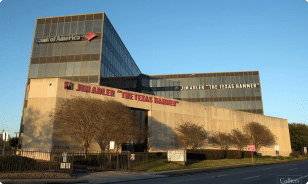
Address
7330 San Pedro Ave
Suite 700
San Antonio, TX 78216