


If you or someone in your family has been hurt in a rideshare accident in Fort Worth, you are likely dealing with painful injuries, mounting treatment costs, and a confusing insurance process that feels stacked against you from the start. Uber and Lyft accidents are not like ordinary car accidents because multiple insurance policies may apply depending on what the driver was doing at the exact moment of the collision. The rideshare company, the driver’s personal insurer, and potentially a third party’s carrier may all point fingers at one another while you wait for answers and relief.
Tarrant County is one of the busiest and most dangerous places to drive in all of Texas. The Texas Department of Transportation reports that Tarrant County recorded more than 28,000 total traffic collisions in a single recent reporting period, including 189 fatal crashes and nearly 1,000 suspected serious injuries.[1] Fort Worth sits at the center of this risk, with heavy traffic flowing through I-35W, I-30, I-20, and the busy corridors around downtown, the Stockyards, and the growing Medical District. As rideshare usage continues to rise across the city, so does the chance that an Uber crash or Lyft accident will leave someone seriously hurt on these same roads.
At Jim Adler & Associates, our Fort Worth Uber accident lawyers have the experience and resources to cut through the insurance confusion and fight for the compensation you deserve. We know how to identify every responsible party, obtain the app data and electronic records that prove what happened, and hold the rideshare company and its insurers accountable when they try to avoid paying what your case is worth.
A rideshare accident is fundamentally different from a standard car accident because of the layers of insurance coverage and the legal structure that rideshare companies use to distance themselves from their drivers. Under Texas Occupations Code Chapter 2402, Uber and Lyft are classified as transportation network companies, and their drivers are treated as independent contractors rather than employees.[2] That classification matters because it is the primary tool these companies use to argue that they should not be held responsible when one of their drivers causes a collision.
The insurance process after a rideshare accident is also far more complicated than a typical insurance claim. Instead of dealing with one at-fault driver and one insurance policy, you may need to navigate the driver’s personal auto coverage, the rideshare company’s contingent liability coverage, and potentially a third party’s policy, all at the same time. Each insurer has a financial incentive to deny your claim or shift responsibility to someone else, which means injury victims can spend months going back and forth without receiving a dollar toward their treatment costs or lost wages.
An experienced Uber accident lawyer understands how these policies overlap and where the gaps exist, and can fight to make sure the right coverage applies to your situation. At Jim Adler, The Texas Hammer®, we have seen these tactics before, and we do not let insurance companies play games with our clients’ futures. Our team works to identify every available source of liability coverage so that you have the best possible chance of recovering the full value of your personal injury claim.
Figuring out who should pay for your injuries after a rideshare accident can feel overwhelming because so many different parties may share responsibility. The answer almost always depends on the driver’s status within the Uber or Lyft app at the moment of the collision, which determines which insurance policies apply and how much coverage is available. The sections below explain the key scenarios that a Fort Worth Uber accident lawyer will evaluate when building your case.
When a rideshare driver is logged into the Uber or Lyft app and waiting for a ride request but has not yet accepted one, the rideshare company’s insurance provides a limited layer of contingent coverage. Under Texas Insurance Code Section 1954.052, the policy during this period must provide at least $50,000 for bodily injury or death per person, $100,000 per incident, and $25,000 for property damage.[3] These amounts are significantly lower than the coverage available during an active trip, which means your options for recovering full compensation may be more limited if the driver had not yet matched with a passenger.
This period creates one of the most confusing liability gaps in rideshare accident cases. The driver’s personal auto insurer may deny the claim entirely because Texas Insurance Code Section 1954.151 allows personal auto policies to exclude any loss that occurs while the driver is logged into a transportation network company’s digital network.[3] If the personal insurer denies coverage, the rideshare company’s contingent policy is supposed to fill that gap, but the process of triggering that coverage can be slow and contentious without legal help.
Once a driver accepts a ride request and is en route to collect a passenger, or while the passenger is in the vehicle, the rideshare company’s full insurance policy applies. Under Texas Insurance Code Section 1954.053, that policy must provide a total aggregate limit of at least $1 million for death, bodily injury, and property damage per incident.[3] This is the highest level of coverage available in a rideshare accident case, and it applies whether you were the passenger inside the vehicle, the driver of another car that was hit, or a pedestrian struck by the rideshare vehicle.
The $1 million policy is a significant source of recovery for injury victims, but it does not mean the insurance company will hand over that money willingly. These carriers employ teams of adjusters and defense attorneys whose entire job is to minimize payouts, and they will look for any argument to reduce or deny your claim. Having a Fort Worth Uber accident lawyer on your side helps ensure that the full policy limits are pursued and that the insurer does not get away with offering a fraction of what your injuries are worth.
With hundreds of truck accident lawsuits filed, our numbers speak for themselves.
Client Received
$15, 461, 000
Attorney Fees
$10, 398, 984 .43
Expenses
$140, 015 .57
Client Received
$15, 461, 000
Attorney Fees
$10, 398, 984 .43
Expenses
$140, 015 .57
Client Received
$9, 436, 300
Attorney Fees
$6, 399, 965
Expenses
$163, 735
Client Received
$9, 436, 300
Attorney Fees
$6, 399, 965
Expenses
$163, 735
Client Received
$4, 898, 086
Attorney Fees
$3, 806, 000
Expenses
$227, 835
Client Received
$4, 898, 086
Attorney Fees
$3, 806, 000
Expenses
$227, 835
Client Received
$3, 237, 600
Attorney Fees
$2, 199, 623 .77
Expenses
$62, 776 .23
Client Received
$3, 237, 600
Attorney Fees
$2, 199, 623 .77
Expenses
$62, 776 .23
If the rideshare driver was not logged into the app at the time of the accident, the collision is treated the same as any other car accident. Uber and Lyft have no coverage obligation when the driver is offline, which means the driver’s personal auto insurance policy is the only source of liability coverage. The minimum bodily injury limits required under Texas Transportation Code Section 601.072 are just $30,000 per person and $60,000 per incident, which may not come close to covering the treatment costs and lost income from a serious collision.[4]
When the at-fault driver carries only minimum coverage, an accident attorney may need to explore other options such as your own underinsured motorist policy to help bridge the gap. Our team at Jim Adler & Associates evaluates every available policy to make sure you are not left paying out of pocket for injuries that someone else caused.
Not every rideshare accident is caused by the Uber or Lyft driver. In many cases, another motorist is entirely or partially at fault for the collision. When a third-party driver causes an Uber crash that injures you, that driver’s own auto insurance is the primary source of recovery. If the third-party driver does not carry enough insurance to cover your losses, the rideshare company’s uninsured or underinsured motorist coverage under Texas Insurance Code Section 1954.053 may provide additional protection if the Uber or Lyft driver had an active trip at the time.[3]
Determining fault in these situations often requires careful investigation, including obtaining the rideshare app data, reviewing police reports, and analyzing witness statements. Settlement negotiations can become especially complicated when multiple insurers are involved and each one is trying to minimize its share of the payout. The Tough, Smart Lawyer® and our legal team know how to sort through these overlapping policies and fight to make sure every responsible party contributes what it owes.
One of the most frustrating parts of an Uber or Lyft accident is figuring out which insurance policy actually applies to your situation. Unlike a standard car accident where the at-fault driver’s policy typically covers your losses, rideshare collisions involve a layered system that changes based on what the driver was doing at the precise moment of the collision. Texas Insurance Code Chapter 1954 establishes the minimum coverage levels that a transportation network company must maintain for its drivers at each stage of the ride process.[3] When the driver is logged into the app and waiting for a ride request, the minimum required liability coverage is $50,000 per person for bodily injury, $100,000 per incident, and $25,000 for property damage.[3] Once the driver accepts a trip and is either en route to collect the passenger or actively transporting a rider, the full $1 million aggregate policy applies for death, bodily injury, and property damage.[3]
A major source of confusion for injury victims is the conflict between the rideshare company’s coverage and the driver’s personal auto insurance. Texas Insurance Code Section 1954.151 specifically allows personal insurers to exclude any loss that occurs while the driver is logged into a rideshare app, which means the driver’s own insurance company can walk away from the insurance claim entirely.[3] If the rideshare company’s coverage has lapsed or falls short of the statutory minimums, Section 1954.054 requires the transportation network company itself to provide coverage starting from the first dollar of the claim.[3] Our team at Jim Adler & Associates knows how to investigate these overlapping policies and pursue every available source of recovery so that you are not left absorbing costs that someone else should be paying.
A serious rideshare collision can turn your life upside down in ways that go far beyond the physical pain of your injuries. You may be unable to work while treatment costs continue to grow, and the emotional toll of living with lasting pain or disability can affect your relationships, your independence, and your sense of security. Understanding the types of compensation you may be entitled to can help you make informed decisions about your case and avoid accepting a settlement that falls short of what you actually need. An experienced Fort Worth Uber accident lawyer can evaluate every way the accident has affected your life to pursue the full value of your claim.
“The insurance company wanted me to settle for a lot less and Jim Adler negotiated for me to get a lot more. ” Ariana
“Jim Adler took care of, literally, everything. I didn't have to do anything.” Whitney
“Man, he worked fast. From my vehicle getting fixed ... and getting paid what I deserve for the accident. ” Sergio
“Jim Adler was to me, he was the last string of hope that I had. He was my saver.” Bryan
“I called Jim Adler and he came through. They got me more than the insurance company had offered.” Tamara
“Definitely took charge of the situation from the very beginning. It was A-Z. I didn't have to do anything... I was definitely happy with the compensation.” Troy
Medical expenses are often the largest category of economic damages in an Uber accident case, and they can add up far faster than most people expect. Emergency room visits, surgeries, hospital stays, prescription medications, diagnostic imaging, physical therapy, and long-term rehabilitation all generate significant costs in the weeks, months, and sometimes years following a serious collision.
Your compensation should account not only for the treatment costs you have already incurred but also for the future medical care your doctors say you will need as your recovery continues. A Fort Worth Uber accident lawyer can work with medical professionals to document the full scope of your anticipated treatment so that a settlement or verdict reflects your true long-term needs.
If your injuries have kept you from working, you may be entitled to compensation for every dollar of income you have missed since the accident. The financial impact often extends well beyond your immediate paycheck, especially if your injuries prevent you from returning to the same type of work you performed before the collision or reduce your ability to earn a living over the rest of your career.
Bill Adler and our legal team work with economic experts when necessary to project these losses accurately and present them in a way that insurance companies and juries can understand. Every dollar of lost income matters, and our goal is to make sure nothing is left on the table.
Not every loss from an Uber accident appears on a bill or pay stub. Non-economic damages recognize the human cost of your injuries, including the physical pain you have endured, emotional distress, anxiety, depression, fear of riding in vehicles, and the loss of enjoyment of life. If your injuries have caused permanent scarring or disfigurement, Texas Civil Practice and Remedies Code Chapter 16 allows you to seek compensation for these lasting changes to your appearance and how they affect your daily life.[6]
When injuries damage your relationship with your spouse, including your ability to provide companionship, support, and intimacy, your spouse may have a separate claim for what the law recognizes as loss of consortium under Chapter 41 of the Texas Civil Practice and Remedies Code.[7] Jim Adler, The Voice of The Victims™, believes that every dimension of your suffering should be accounted for when seeking compensation from the parties who caused your injuries.
A collision with a rideshare vehicle can leave your car totaled or in need of expensive repairs, and you should not have to pay for damage that someone else caused. Property damage compensation covers the cost of repairing or replacing your vehicle, any personal belongings destroyed in the accident, and related expenses such as a rental car while your vehicle is being fixed.
Your accident attorney can help document these losses and include them as part of your overall claim so that you are made as whole as possible.
When a rideshare accident takes the life of someone you love, a wrongful death claim filed under Texas Civil Practice and Remedies Code Chapter 71 allows surviving spouses, children, and parents to seek compensation for lost financial support, funeral and burial expenses, loss of companionship, and mental anguish.[8] In cases involving especially reckless or egregious conduct, Chapter 41 of the same code may also allow for exemplary damages designed to punish the responsible party and discourage similar behavior.[7]
The Hammer fights for families who have lost loved ones to make sure every responsible party is held accountable and that surviving family members have the financial security they need to move forward.
Rideshare drivers face a unique set of pressures that make them more likely to cause a serious collision than someone simply driving to work or running errands. They are constantly checking their phones for ride requests, following turn-by-turn navigation through unfamiliar neighborhoods, and pulling over in busy traffic to collect or drop off passengers, often in locations that were never designed for curbside pickups. These behaviors create real dangers for everyone on the road, and when they lead to an Uber crash or Lyft accident, the people who were hurt deserve to know what went wrong and who should be held responsible.
Fort Worth’s road network adds another layer of risk. Heavy traffic on I-35W, I-30, and I-20 puts rideshare drivers in close proximity to commercial trucks and high-speed commuter traffic, especially during peak hours and around major destinations like the Stockyards, Sundance Square, and TCU. The Texas Department of Transportation data showing more than 28,000 collisions in Tarrant County during a single reporting period confirms just how dangerous these corridors are for all motorists, including rideshare passengers and drivers.[1] An experienced Uber accident lawyer can investigate the specific cause of your collision and determine whether distracted driving, fatigue, speeding, unsafe stops, or another form of negligence contributed to what happened.
Rideshare drivers depend on their phones to accept rides, navigate to pickup locations, and communicate with passengers, which means their attention is divided between the road and a screen for much of every shift. The Texas Department of Transportation reports that distracted driving contributes to thousands of collisions across the state every reporting period, and rideshare drivers are especially vulnerable to this behavior because the app itself demands constant interaction.[5]
Even a few seconds of looking away from the road at highway speeds can cover the length of a football field, and that momentary distraction is all it takes to cause a devastating car accident. Our team at Jim Adler & Associates can subpoena phone records, app activity logs, and dash cam footage to prove that a distracted rideshare driver caused your collision.
Many rideshare drivers work long hours to earn enough income, and unlike commercial truck drivers, they are not subject to federal hours-of-service regulations that limit how long they can stay behind the wheel. A fatigued driver’s reaction time and judgment deteriorate in ways that mirror the effects of alcohol impairment, and this danger increases during late-night and early-morning hours when rideshare demand peaks around Fort Worth’s entertainment districts.
Speeding compounds the risk because it reduces the time a driver has to react to hazards and increases the severity of any resulting collision. When a rideshare driver was traveling too fast for conditions or exceeding the posted limit, evidence from the vehicle’s event data recorder and the rideshare app’s GPS data can help prove that speed was a contributing factor in your accident.
Rideshare drivers frequently stop in traffic lanes, bike lanes, crosswalks, and other dangerous locations to collect or drop off passengers because the app directs them to a pin location rather than a safe pullover spot. These sudden stops can cause rear-end collisions, sideswipe other vehicles, or force nearby motorists into evasive maneuvers that lead to multi-vehicle pileups.
Fort Worth’s busiest corridors near West 7th Street, the Medical District, and downtown create especially hazardous conditions for abrupt rideshare stops during peak traffic hours. The Texas Hammer® and our legal team investigate the circumstances of every pickup and dropoff to determine whether the driver’s decision to stop in an unsafe location contributed to your injuries.
The moments after a rideshare accident can be overwhelming, and it is hard to think clearly when you are hurt, scared, and unsure of what just happened. Taking certain steps in the hours and days following your accident may help protect both your health and your ability to seek compensation later. The following suggestions are general guidelines only, and your specific situation may require different actions depending on the circumstances.
Every rideshare accident is different, and you should always prioritize your health and safety above everything else. If you have questions about your specific situation or want to understand your legal options, Jim Adler, The Tough, Smart Lawyer®, is here to help with a free consultation.*
Texas sets strict deadlines for filing personal injury and wrongful death lawsuits, and missing these deadlines can permanently destroy your right to seek compensation. Under Texas Civil Practice and Remedies Code Section 16.003, you generally have two years from the date of the accident to file a personal injury claim.[6] Wrongful death claims must also be filed within two years from the date of the victim’s death under the same statute.[6] Two years may sound like plenty of time, but building a strong Uber accident case requires extensive investigation, and critical evidence such as rideshare app data, surveillance footage, and electronic vehicle records can disappear quickly if no one acts to secure them.
Texas also follows a modified comparative fault rule that can affect how much compensation you receive or whether you can recover anything at all. Under Texas Civil Practice and Remedies Code Section 33.001, your damages will be reduced by your percentage of fault, and if you are found to be more than 50 percent responsible for the accident, you cannot recover any compensation.[9] Insurance companies know this rule and routinely try to shift as much blame as possible onto the injured person to reduce what they owe. An Uber accident lawyer from our team can fight back against these tactics and work to make sure fault is assigned fairly based on the actual evidence.
After a serious rideshare collision, you need more than just a lawyer who files paperwork and waits for a check. You need a team that will move fast, dig into the details, and fight hard to get you and your family the compensation you deserve. At Jim Adler & Associates, we have been standing up for injured Texans for more than five decades, and we bring that experience to every rideshare accident case we handle in the Fort Worth area and across Tarrant County.
The outcome of your case may depend on proving exactly what the rideshare driver was doing within the app at the moment of the collision, because that status determines which insurance policies apply and how much liability coverage is available. Our team works quickly to obtain Uber and Lyft trip logs, GPS tracking data, timestamps showing when rides were accepted or completed, and driver activity records that the rideshare company may not voluntarily hand over without legal pressure.
We also collect evidence from the scene itself, including police reports, dash cam and surveillance footage from nearby businesses, witness statements, and the vehicle’s electronic event data. The sooner you contact us, the more evidence we can secure before the rideshare company or its insurers have a chance to let critical records disappear.
Rideshare insurance claims involve multiple carriers that each have a financial incentive to deny responsibility or minimize your payout. The driver’s personal insurer may point to the rideshare company’s policy, while the rideshare company’s insurer may argue that the driver was not on an active trip or that your injuries are not as serious as your medical records indicate. These settlement negotiations can drag on for months if you do not have an experienced legal team applying pressure on your behalf.
Bill Adler and our attorneys handle all communications with every insurance company involved in your case so that you never have to worry about saying something that could be used against you. We do not accept lowball offers designed to make injured people go away, and we fight to recover the full value of your civil lawsuit when the evidence supports it.
Most rideshare accident cases settle before reaching trial, but the key to obtaining a fair settlement is being fully prepared to go to court if necessary. Insurance companies know which law firms are willing to take cases to trial and which ones will accept whatever offer is put on the table. When the defense knows your legal team has the resources and the track record to present your case to a jury, they have much more incentive to offer fair compensation during negotiations.
At Jim Adler & Associates, we prepare every case as if it is going to trial, even while we pursue settlement. This approach consistently produces better outcomes for our clients because the insurance companies know we are not bluffing when we reject inadequate offers. The Voice of The Victims™ does not back down from a fight when our clients’ futures are at stake.
Our firm has a team of more than 30 attorneys and 300 legal professionals with the financial resources to take on rideshare companies and their well-funded insurance carriers. We work with accident reconstruction experts, medical specialists, and economists who can calculate your future losses and present them persuasively to a jury. Our track record includes multi-million dollar verdicts and settlements for accident victims across Texas, and we bring that same level of preparation to every case.
You pay nothing unless we recover money for you.* Your initial consultation is completely free, and we handle rideshare accident cases on a contingency fee basis.* That means the only risk is in not calling. The Hammer is ready to fight for you and your family.
After a serious rideshare collision, you probably have a lot of questions about what comes next and how to protect your family’s future. The answers below address some of the concerns we hear most often from people in your situation. If you have questions that are not covered here, our team is always available to speak with you directly.
Uber and Lyft classify their drivers as independent contractors under Texas Occupations Code Section 2402.114, which is the primary legal shield these companies use to argue that they should not be held directly responsible when a driver causes a collision.[2] In most situations, the rideshare company’s insurance policy rather than the company itself is the source of recovery for injury victims.
There are circumstances, however, where Uber or Lyft may face direct liability. If the company failed to comply with the driver screening and background check requirements of Texas Occupations Code Section 2402.107 and allowed an unqualified or dangerous driver onto its platform, that negligence could support a claim against the company itself.[2] Our attorneys investigate these issues in every rideshare case we handle.
Under Texas Civil Practice and Remedies Code Section 33.001, you can still recover compensation even if you were partially responsible for the collision.[9] Your total damages will be reduced by your percentage of fault, so if you were found to be 20 percent at fault and your damages totaled $200,000, you would receive $160,000.
The critical limit to know is that if you are found to be more than 50 percent responsible, you cannot recover anything at all.[9] Insurance companies know this rule and routinely try to shift as much blame as possible onto the injured person. Jim Adler, The Texas Hammer®, and our legal team fight back against these tactics to make sure fault is assigned fairly based on the evidence.
The value of your case depends on the specific facts of your situation, including the severity of your injuries, your treatment costs, how much income you have lost, and how the accident has affected your daily life and relationships. Rideshare accident cases often involve more available insurance coverage than standard collisions because Texas Insurance Code Section 1954.053 requires a $1 million aggregate policy when a driver is engaged in an active trip.[3]
We cannot promise a specific dollar amount without understanding your full situation, but we can promise that our team will fight for every dollar you deserve. We do not accept lowball settlement offers just to close cases quickly, and we are fully prepared to take your case to trial if that is what it takes to get you fair compensation.
The timeline for resolving a rideshare accident case varies significantly depending on factors like the complexity of your injuries, how many parties and insurance policies are involved, whether liability is disputed, and how cooperative the insurance carriers are. Some straightforward cases settle within a few months, while complex cases involving catastrophic injuries or multiple defendants can take a year or longer.
One factor that often extends the timeline is waiting until you reach maximum medical improvement, which is the point at which your doctors can say your condition is stable and predict your future treatment needs. Settling too early can leave you without enough money to cover the care you will need down the road, and The Tough, Smart Lawyer® will never pressure you into accepting a settlement before you understand the full extent of your injuries.
At Jim Adler & Associates, your initial consultation is completely free, and we handle rideshare accident cases on a contingency fee basis.* That means you pay no attorney fees unless we recover compensation for you.* You do not need money in your pocket to get experienced legal representation working on your case right away.
This arrangement allows you to focus on your recovery without worrying about upfront legal costs, and it means our interests are aligned with yours from day one. We only get paid when you get paid, which gives us every reason to fight for the maximum compensation your case deserves.
A rideshare driver can absolutely be held personally liable if their negligence caused the collision. The fact that the driver was working for Uber or Lyft at the time does not shield them from personal responsibility. In practice, however, the driver’s personal auto insurer may deny coverage under the exclusion allowed by Texas Insurance Code Section 1954.151 for losses that occur while logged into a rideshare app, which shifts the financial burden to the rideshare company’s policy.[3]
When a third-party driver caused the collision, that driver and their own insurer bear primary responsibility for your damages. If the third party does not carry enough coverage, the rideshare company’s uninsured or underinsured motorist coverage may provide additional protection depending on the Uber or Lyft driver’s app status at the time of impact.[3]
After an Uber or Lyft accident in Fort Worth, you need a team that knows how to navigate the complicated rideshare insurance process and fight the companies trying to avoid paying what you deserve. Jim Adler & Associates steps in to secure evidence, handle insurance communications, and build your case while you focus on recovery. We take on rideshare companies with thorough preparation and aggressive representation, not empty promises. Our team is available to speak with you in both English and Spanish.
We offer a free case review so you can understand your options before you commit. You pay no fees unless we recover compensation for you.* Rideshare accident cases move fast, and early action protects your rights and helps secure critical evidence. Jim Adler, The Voice of The Victims™, is here for injured Texans and their families. If a rideshare accident turned your life upside down in Fort Worth or anywhere in Tarrant County, let our team carry the legal burden so you can focus on healing.
[1] Texas Department of Transportation, Crash Records Information System (CRIS), Crashes and Injuries by County. https://www.txdot.gov/content/dam/docs/division/trf/crash-records/2024/13.pdf
[2] Texas Occupations Code, Chapter 2402, “Transportation Network and Delivery Network Companies.” https://statutes.capitol.texas.gov/docs/OC/htm/OC.2402.htm
[3] Texas Insurance Code, Chapter 1954, “Insurance for Transportation Network Company Drivers.” https://tcss.legis.texas.gov/resources/IN/pdf/IN.1954.pdf#1954
[4] Texas Transportation Code, Chapter 601, Section 601.072, “Minimum Amounts of Motor Vehicle Liability Insurance.” https://statutes.capitol.texas.gov/Docs/TN/htm/TN.601.htm
[5] Texas Department of Transportation, “Distracted Driving.” https://www.txdot.gov/safety/traffic-safety-campaigns/distracted-driving.html
[6] Texas Civil Practice and Remedies Code, Chapter 16, Section 16.003, “Two-Year Limitations Period.” https://statutes.capitol.texas.gov/Docs/CP/htm/CP.16.htm
[7] Texas Civil Practice and Remedies Code, Chapter 41, “Damages.” https://tcss.legis.texas.gov/resources/CP/pdf/CP.41.pdf#41
[8] Texas Civil Practice and Remedies Code, Chapter 71, “Wrongful Death; Survival.” https://statutes.capitol.texas.gov/Docs/CP/htm/CP.71.htm
[9] Texas Civil Practice and Remedies Code, Chapter 33, Section 33.001, “Proportionate Responsibility.” https://statutes.capitol.texas.gov/Docs/CP/htm/CP.33.htm
Hurt in an accident? Tell us what happened. We’ll give you straight answers — fast, free, and with no strings attached.*
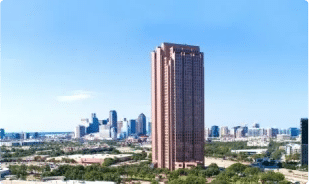
Address
2711 North Haskell Ave.
Suite 2500
Dallas, TX 75204
Address
1900 W Loop S
20th Floor
Houston, TX 77027

Address
12605 East Freeway
Suite 400
Houston, Texas 77015
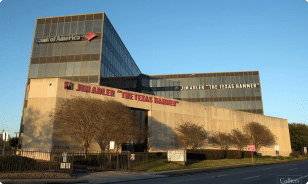
Address
7330 San Pedro Ave
Suite 700
San Antonio, TX 78216