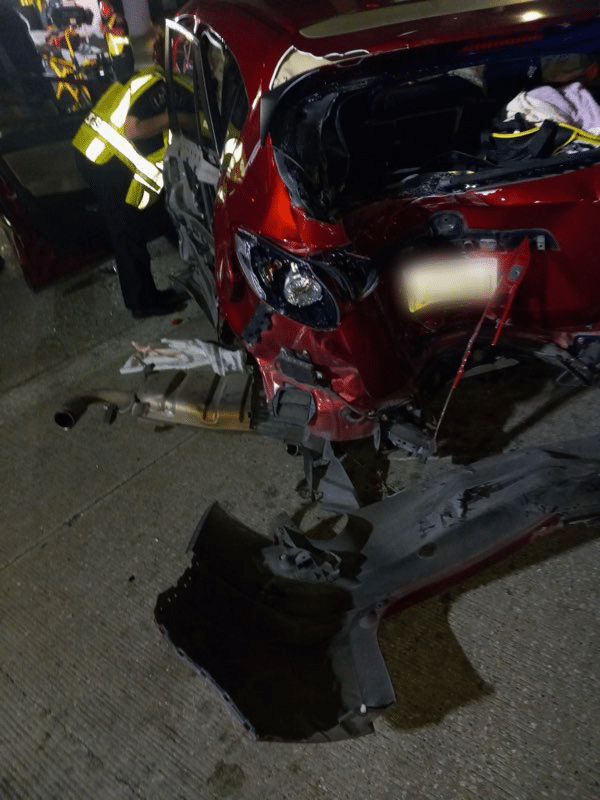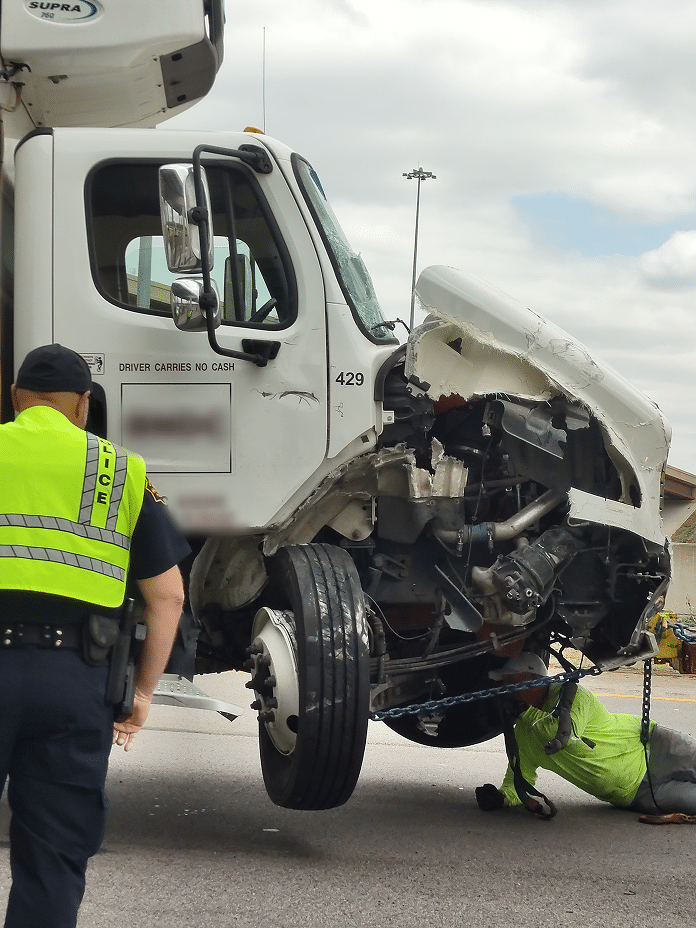



When a rideshare trip ends in a serious accident, the days that follow can feel impossibly difficult. You may be facing painful injuries, unexpected medical bills, and uncertainty about how to pay for the care you need while you recover. The rideshare company and its insurers have teams of adjusters and attorneys working to minimize what they pay, and you should not have to take them on by yourself.
San Antonio has seen tremendous growth in rideshare services over the past several years, with Uber and Lyft vehicles now a constant presence on roads throughout Bexar County and the surrounding areas. Research from the University of Chicago Booth School of Business found that the introduction of rideshare services correlates with a two to three percent rise in motor vehicle fatalities across the country, adding nearly 1,000 deaths to the national total each year.[1] Accidents involving rideshare vehicles present unique legal challenges because multiple insurance policies may apply depending on what the driver was doing at the moment of the crash.
A San Antonio Uber accident lawyer at Jim Adler & Associates understands these complexities and knows how to fight for injured passengers, drivers, and pedestrians who have been hurt through no fault of their own. Jim Adler, The Texas Hammer®, has dedicated more than five decades to holding negligent parties accountable and pursuing full compensation for victims across Texas. Contact us today for a free consultation, and remember that you owe no attorney fees unless we win your case.*
With offices serving San Antonio and communities throughout South Texas, our team moves quickly to secure evidence and begin building your rideshare accident claim. Your first step is a FREE workers’ compensation case review.
Call 1-800-505-1414 now or click here to get started online.
Rideshare accidents differ from typical car accidents in several important ways, and understanding these differences can help you protect your rights after a crash. The way Uber and Lyft structure their businesses creates unique challenges for injured victims seeking compensation, and the growing presence of rideshare vehicles on San Antonio roads has introduced new risks that did not exist a decade ago.
“The insurance company wanted me to settle for a lot less and Jim Adler negotiated for me to get a lot more. ” Ariana
“Jim Adler took care of, literally, everything. I didn't have to do anything.” Whitney
“Man, he worked fast. From my vehicle getting fixed ... and getting paid what I deserve for the accident. ” Sergio
“Jim Adler was to me, he was the last string of hope that I had. He was my saver.” Bryan
“I called Jim Adler and he came through. They got me more than the insurance company had offered.” Tamara
“Definitely took charge of the situation from the very beginning. It was A-Z. I didn't have to do anything... I was definitely happy with the compensation.” Troy
One of the most significant challenges in rideshare accident cases is that Uber and Lyft classify their drivers as independent contractors rather than employees. This business model allows the companies to distance themselves from liability when their drivers cause accidents, forcing injured victims to navigate a complex web of insurance policies instead of holding the rideshare company directly responsible. Because of this structure, your claim may involve the driver’s personal auto insurance, the rideshare company’s commercial policy, or some combination of both depending on the driver’s status at the time of the crash. A San Antonio Uber accident lawyer who understands these distinctions can identify which policies apply and pursue every available source of compensation on your behalf.
Rideshare vehicles are involved in many of the same types of accidents as other passenger cars, but certain collision patterns occur more frequently due to the nature of the work. Rideshare drivers frequently travel on unfamiliar roads while following GPS directions, which can lead to sudden lane changes, missed turns, and other unpredictable maneuvers that put everyone nearby at risk.
No matter what type of rideshare accident caused your injuries, a San Antonio rideshare accident lawyer at Jim Adler & Associates can help you understand your options and pursue the compensation you need to move forward. Call us today for a free consultation to discuss your case.*
Our San Antonio rideshare accident lawyers help Texans get the financial compensation they deserve. We only get paid if you win.* And we fight to win.
Rideshare accidents rarely happen by chance, and most of them can be traced back to preventable mistakes or risky behaviors by the driver. Understanding what causes these accidents can help you recognize when you may have a valid claim against a negligent rideshare driver or another responsible party. The following causes represent patterns that experienced rideshare accident attorneys see repeatedly in cases throughout San Antonio and Bexar County.
Rideshare drivers face constant distractions that other motorists do not encounter during a typical trip. The nature of the job requires drivers to check the Uber or Lyft app repeatedly to accept ride requests, review pickup locations, and follow GPS navigation instructions while operating their vehicles. Texting while driving, looking up directions, and glancing at the phone to check estimated arrival times all take a driver’s eyes and attention away from the road. Even a few seconds of distraction at highway speeds can cover the length of a football field, leaving little time to react to sudden traffic changes or hazards ahead.
Many rideshare drivers work extended shifts or drive during late-night hours when fatigue becomes a serious safety concern. Unlike commercial truck drivers who must follow federal hours-of-service regulations, Uber and Lyft drivers face no mandatory rest requirements and can stay on the road as long as they choose. Some drivers work multiple jobs or drive for both Uber and Lyft simultaneously to maximize their earnings, pushing themselves past the point of safe alertness. Drowsy driving impairs reaction time, decision-making, and situational awareness in ways that mirror the effects of alcohol impairment, putting passengers and everyone else on the road at risk.
The rideshare business model creates financial pressure that can encourage unsafe driving habits. Drivers earn more money by completing more trips, which can lead to speeding between pickups, tailgating slower vehicles, running yellow and red lights, and making unsafe lane changes to shave seconds off their travel time. Aggressive driving behaviors are especially dangerous in congested areas of San Antonio, where traffic patterns change quickly and pedestrians may be present. A San Antonio Lyft accident lawyer can investigate whether speeding or aggressive driving contributed to your accident by examining evidence such as the vehicle’s event data recorder, witness statements, and traffic camera footage.
While rideshare companies market themselves as a safe alternative to driving after drinking, some rideshare drivers themselves get behind the wheel while impaired by alcohol or drugs. Reckless driving behaviors such as weaving between lanes, ignoring traffic signals, and driving at dangerous speeds can also cause serious accidents regardless of whether impairment is involved. Uber and Lyft conduct background checks on their drivers, but these screenings do not guarantee that a driver will make safe choices every time they get behind the wheel. When a rideshare driver causes an accident through reckless or intoxicated behavior, injured victims may be entitled to pursue additional compensation beyond their basic economic losses.
Rideshare drivers are responsible for maintaining their own vehicles, and some fail to keep up with essential repairs and safety inspections. Worn brake pads, bald tires, faulty headlights, and steering problems can all contribute to serious accidents that proper maintenance would have prevented. In some cases, a defective vehicle part such as a malfunctioning airbag or sudden acceleration issue may share responsibility for causing or worsening a crash. A San Antonio Uber accident lawyer can investigate whether poor maintenance or a defective component played a role in your accident and identify all potentially liable parties, including the driver, vehicle manufacturer, or parts supplier.
One of the most confusing aspects of rideshare accident claims is figuring out which insurance policy covers your injuries. Unlike a typical car accident where the at-fault driver’s insurance applies, rideshare accidents involve a layered system of coverage that changes based on what the driver was doing at the exact moment of the crash. Understanding these rules can help you recognize the compensation that may be available in your case.
Both Uber and Lyft divide their insurance coverage into distinct periods based on the driver’s activity within the app.[3][4] When the rideshare app is completely turned off, the driver is considered off-duty and only their personal auto insurance policy applies. Once the driver turns on the app and begins waiting for ride requests, the rideshare company’s coverage activates at reduced levels. The coverage increases significantly after the driver accepts a ride request and again while a passenger is in the vehicle.
| Driver Status | Insurance Coverage |
| App is off | Driver’s personal auto insurance only |
| App is on, waiting for a ride request | $50,000 per person for bodily injury, $100,000 per accident for bodily injury, $25,000 for property damage |
| Ride accepted or passenger in the vehicle | $1 million liability coverage, $1 million uninsured/underinsured motorist coverage |
The difference between these coverage periods can mean hundreds of thousands of dollars in available compensation. A San Antonio Uber accident lawyer can investigate the driver’s app status at the time of your crash and determine exactly which insurance policy applies to your claim.
Because Uber and Lyft classify their drivers as independent contractors rather than employees, injured victims generally cannot sue the rideshare company directly for a driver’s negligent conduct. Instead, claims must be pursued against the driver personally or through the applicable insurance policy based on the driver’s status at the time of the accident. This structure protects the rideshare companies from direct liability in most situations and forces injured passengers, pedestrians, and other motorists to navigate complex insurance claims rather than holding the corporation accountable. A San Antonio Lyft accident lawyer who handles rideshare cases understands how to work within this system and can identify every potential source of recovery, including situations where the rideshare company itself may bear some responsibility for negligent hiring practices or inadequate background checks.
The steps you take in the hours and days after a rideshare accident can significantly affect your ability to recover compensation later. While every situation is different, the following general guidelines may help protect both your health and your legal rights. Your specific circumstances may require different actions, so always prioritize your safety and well-being above everything else.
Your health should be your first priority after any rideshare accident, even if you do not feel seriously hurt at the scene. Injuries from car accidents can range from cuts and bruises to broken bones, traumatic brain injuries, and spinal cord damage that may not show obvious symptoms right away. The adrenaline flowing through your body after a crash can mask pain and other warning signs, leading you to believe you are fine when you actually need medical attention. You should see a doctor as soon as possible, follow all treatment recommendations, and keep detailed records of every visit, diagnosis, and prescription related to your injuries.
You should call 911 to report the accident so that police officers can document the scene and create an official report. This report becomes important evidence if you later need to file an insurance claim or pursue legal action. You should also report the accident through the Uber or Lyft app, which generates electronic records showing when and where the crash occurred. These records can help establish the driver’s status at the time of the accident and determine which insurance coverage applies to your claim.
If you are physically able to do so, collecting evidence at the accident scene can strengthen your case later. You should take photographs of all vehicles involved, including damage to each car, license plates, and the surrounding road conditions. Writing down the names and contact information of any witnesses who saw what happened can provide independent accounts that support your version of events. You should also note whether the rideshare driver had the app open and whether they were actively transporting you or on their way to pick you up. A San Antonio rideshare accident lawyer may later obtain additional evidence such as the driver’s phone records, app data, and surveillance footage from nearby businesses.
You should be careful about what you say to the rideshare driver, other motorists, police officers, and especially insurance adjusters after an accident. Even a simple apology or casual comment about not seeing the other vehicle can be twisted and used against you to reduce your compensation. You should stick to the basic facts when speaking with police and avoid speculating about who caused the crash or how fast anyone was driving. Insurance adjusters may contact you quickly after an accident, hoping to get a recorded statement before you fully understand your rights or the extent of your injuries.
Serious rideshare accidents leave victims facing enormous financial pressure at a time when they are least able to handle it. You may be unable to work while treatment costs continue to pile up, and the stress of not knowing how you will pay your bills can make recovery even harder. Understanding what types of compensation may be available can help you make informed decisions about your case and avoid settling for less than you need to fully recover.
Economic damages cover the financial losses you can calculate and document with receipts, bills, and pay stubs. Medical expenses are often the largest category in rideshare accident cases, including emergency room visits, surgeries, hospital stays, medications, physical therapy, and any future treatment your doctors say you will need. Lost wages compensate you for the income you missed while you were too hurt to work, but the impact often goes beyond your immediate paycheck. If your injuries prevent you from returning to your previous job or limit the type of work you can do in the future, you may be entitled to compensation for your diminished earning capacity over the rest of your working life. Property damage covers the cost of repairing or replacing your vehicle and any personal belongings destroyed in the accident.
With hundreds of San Antonio Uber accident lawsuits filed, our numbers speak for themselves.
Client Received
$15, 461, 000
Attorney Fees
$10, 398, 984 .43
Expenses
$140, 015 .57
Client Received
$15, 461, 000
Attorney Fees
$10, 398, 984 .43
Expenses
$140, 015 .57
Client Received
$9, 436, 300
Attorney Fees
$6, 399, 965
Expenses
$163, 735
Client Received
$9, 436, 300
Attorney Fees
$6, 399, 965
Expenses
$163, 735
Client Received
$4, 898, 086
Attorney Fees
$3, 806, 000
Expenses
$227, 835
Client Received
$4, 898, 086
Attorney Fees
$3, 806, 000
Expenses
$227, 835
Client Received
$3, 237, 600
Attorney Fees
$2, 199, 623 .77
Expenses
$62, 776 .23
Client Received
$3, 237, 600
Attorney Fees
$2, 199, 623 .77
Expenses
$62, 776 .23
Winning a rideshare accident case requires more than just showing that you were hurt. You need to prove that someone else’s negligence caused your injuries and that you suffered real harm as a result. Building a strong case takes thorough investigation, careful documentation, and an understanding of how rideshare companies and their insurers try to avoid paying what victims deserve.
To hold someone legally responsible for your injuries, you generally need to prove four elements. First, you must establish that the person or company owed you a duty of care, which is usually straightforward since everyone on the road has an obligation not to hurt others through careless behavior. Second, you need to show that they breached that duty by doing something wrong or failing to do something they should have done, such as a rideshare driver running a red light or texting behind the wheel. Third, you must connect their breach directly to the accident that hurt you, demonstrating that the crash would not have happened if they had acted responsibly. Finally, you need to document the actual harm you suffered, including your medical expenses, lost income, pain, and other losses.
One of the biggest differences between rideshare accidents and typical car accidents is the number of parties who might share responsibility for what happened. The rideshare driver is often the most obvious person to hold accountable, but they are rarely the only one. Other negligent motorists who contributed to the crash may share liability, and their insurance policies may provide additional sources of compensation. If the rideshare driver was operating a vehicle they did not own, the third-party vehicle owner could potentially bear some responsibility depending on the circumstances. In rare cases, the rideshare company itself may be liable if evidence shows corporate negligence, such as allowing a driver with a history of accidents or criminal violations to continue operating on the platform due to inadequate background checks.
Uber, Lyft, and other large rideshare corporations have teams of lawyers and insurance adjusters whose job is to protect the company’s money and minimize what they pay to injured victims. These companies often resist claims by disputing which insurance coverage applies, questioning the severity of your injuries, or attempting to shift blame onto you or other parties. The independent contractor model that rideshare companies use is specifically designed to shield them from direct liability in most situations. A San Antonio rideshare accident lawyer who has experience taking on these corporations understands their tactics and knows how to fight back. At Jim Adler & Associates, we have the resources and determination to go up against powerful companies and their insurers, and we are fully prepared to take your case to trial if that is what it takes to get you fair compensation.
Rideshare accidents can cause a wide range of injuries depending on the speed of the vehicles involved, the angle of impact, and whether occupants were wearing seat belts. Understanding the types of injuries that commonly result from these collisions can help you recognize the seriousness of your situation and the importance of seeking both medical care and legal help. The severity of your injuries and their long-term consequences play a significant role in determining the value of your claim.
Cuts and lacerations from broken glass and torn metal are extremely common in rideshare accidents and can leave permanent scars that affect your appearance and self-confidence. Broken bones occur frequently when the force of a collision throws passengers against doors, dashboards, or other hard surfaces inside the vehicle. Soft-tissue injuries such as sprains, strains, and deep bruising may not show up on X-rays but can cause significant pain and limit your mobility for weeks or months after the accident.
Whiplash happens when the sudden force of a collision causes your head to snap forward and backward rapidly, stretching and tearing the muscles, tendons, and ligaments in your neck. This injury is especially common in rear-end collisions, which occur frequently when rideshare drivers stop abruptly to pick up or drop off passengers. Symptoms of whiplash may not appear until hours or even days after the accident, and some victims experience chronic neck pain, headaches, and limited range of motion that lasts for months or longer.
The blunt force trauma of a rideshare collision can damage internal organs even when there are no visible wounds on the outside of your body. Broken ribs can puncture lungs, and the force of impact can cause bruising or lacerations to the liver, spleen, kidneys, and other vital organs. Internal bleeding is a life-threatening condition that may not show obvious symptoms immediately, which is why emergency medical evaluation after a serious accident is critical even if you feel fine at the scene.
In the most catastrophic rideshare accidents, victims may suffer severe burns from fires or chemical exposure, or they may lose limbs either during the collision itself or through surgical amputation when doctors cannot save a crushed extremity. Learning to live with an amputation requires extensive physical rehabilitation, prosthetic devices, and profound emotional adjustment. Tragically, some rideshare accidents result in death, leaving families to cope with sudden and devastating loss. When a loved one dies because of a negligent rideshare driver or another party’s reckless behavior, surviving family members may have the right to pursue a wrongful death claim to hold the responsible parties accountable.
If you have suffered any of these injuries in a rideshare accident, a San Antonio Uber accident lawyer at Jim Adler & Associates can help you understand your legal options and fight for the compensation you need to move forward with your life
Rideshare accident cases are more complicated than typical car accident claims, and the stakes are too high to navigate the process alone. The rideshare company and its insurers have experienced legal teams working to protect their interests, and you deserve someone equally prepared to fight for yours. Hiring an experienced attorney can make a significant difference in the outcome of your case and the compensation you ultimately receive.
Proving what happened in a rideshare accident requires a thorough investigation that goes far beyond simply reading the police report. An experienced San Antonio Lyft accident lawyer has the resources to collect and preserve critical evidence before it disappears, including the driver’s app data, phone records, vehicle maintenance history, and surveillance footage from nearby businesses. Our team works with accident reconstruction specialists, medical experts, and economists who can analyze the evidence and calculate the full extent of your past and future losses. This level of investigation is essential for determining exactly what caused the accident and building a case that holds all responsible parties accountable.
Rideshare accident claims often involve multiple insurance policies with different coverage limits and conditions, and insurance adjusters know how to exploit the confusion to minimize what they pay. A San Antonio rideshare accident lawyer understands how Uber and Lyft structure their coverage and knows which policies apply based on the driver’s status at the time of your accident. We handle all communications and negotiations with the insurance companies on your behalf, protecting you from tactics designed to reduce your compensation or shift blame onto you. Our goal is to secure every dollar you deserve, and we are fully prepared to take your case to trial if the insurance company refuses to offer a fair settlement.
Insurance companies frequently try to assign a portion of the fault to injured victims in order to reduce what they have to pay. Under the modified comparative negligence rule in Texas, any percentage of fault assigned to you directly reduces your recovery, and if you are found more than 50 percent responsible, you receive nothing at all. A San Antonio Uber accident lawyer can protect you from these tactics by gathering evidence that supports your version of events and countering any allegations that you contributed to the accident. We fight to ensure that fault is assigned fairly based on the facts, not manipulated to benefit the insurance company’s bottom line.
You should never have to pay out of pocket to find out if you have a case or to get a lawyer working for you. At Jim Adler & Associates, your consultation is free, and we handle rideshare accident cases on a contingency fee basis.* That means you pay no attorney fees unless we recover compensation for you.* This arrangement allows you to focus on your recovery without worrying about how you will afford legal representation, and it ensures that our interests are aligned with yours because we only get paid when you do.
Familiarity with Bexar County courts, local judges, and the tendencies of area insurance adjusters provides a meaningful advantage when handling rideshare accident cases in San Antonio. Our attorneys understand the traffic patterns, dangerous intersections, and roadway conditions throughout the San Antonio area, which helps us investigate accidents more effectively and present compelling evidence to juries. Jim Adler, The Texas Hammer®, has spent more than 50 years fighting for injured Texans, and our team has the trial experience to take on rideshare companies and their insurers when they refuse to treat our clients fairly. When the other side knows you have a legal team that is ready and able to go to court, they have much more incentive to offer fair compensation.
If you or someone you love has been hurt in an Uber, Lyft, or other rideshare accident in San Antonio, you do not have to face the insurance companies alone. Jim Adler & Associates has spent more than 50 years fighting for injured Texans against powerful corporations and their insurers, and we are ready to fight for you, too. Our team will investigate your accident, identify every responsible party, and pursue the full compensation you deserve while you focus on healing and getting your life back on track.
The sooner you contact a San Antonio Uber accident lawyer, the sooner we can begin protecting your rights and building your case. Call Jim Adler, The Texas Hammer®, today for a free consultation, and remember that you pay no attorney fees unless we recover compensation for you.* Our team is available to speak with you in both English and Spanish
After a rideshare accident in San Antonio, you probably have many questions about what comes next and how to protect your family’s future. A San Antonio Lyft accident lawyer or San Antonio rideshare accident lawyer at Jim Adler & Associates can help you understand your legal options and guide you through the claims process. The answers below address some of the concerns we hear most often from people in your situation, and our team is always available to speak with you directly if you have questions that are not covered here.
Your first priority should be your safety and health. If you are able to move without risking further injury, get yourself and anyone else involved away from traffic and potential hazards. Call 911 to report the accident so police can document the scene and emergency medical personnel can evaluate everyone involved. You should seek medical attention as soon as possible, even if you do not feel seriously hurt, because some injuries like traumatic brain injuries and internal bleeding do not show obvious symptoms right away. If you are physically able, take photographs of the vehicles, road conditions, and any visible injuries, and collect contact information from witnesses who saw what happened. Report the accident through the Uber or Lyft app to generate electronic records, and avoid discussing fault with anyone at the scene. Contact an experienced rideshare accident attorney as soon as possible so we can begin protecting your rights and preserving critical evidence.
The answer depends on what the rideshare driver was doing at the moment of the crash. If the driver had the app turned off, their personal auto insurance applies. If the app was on but the driver had not yet accepted a ride request, Uber and Lyft provide limited liability coverage of $50,000 per person for bodily injury, $100,000 per accident, and $25,000 for property damage.[3][4] Once the driver accepts a ride or has a passenger in the vehicle, the rideshare company’s $1 million liability policy takes effect. If another motorist caused the accident, that driver’s insurance may be the primary source of compensation. Our attorneys investigate every potential source of coverage to make sure you have access to the maximum compensation available for your injuries.
In most cases, you cannot sue Uber or Lyft directly for an accident caused by one of their drivers. Both companies classify their drivers as independent contractors rather than employees, which shields the corporations from direct liability for driver negligence in most situations. Instead, claims are typically pursued against the driver personally or through the applicable insurance policy based on the driver’s status at the time of the crash. However, there are limited circumstances where the rideshare company itself may bear some responsibility, such as when evidence shows the company failed to conduct adequate background checks or allowed a driver with a known dangerous history to continue operating on the platform. Our attorneys investigate every angle to determine whether the rideshare company can be held accountable in your case.
Victims of rideshare accidents may be entitled to recover both economic and non-economic damages. Economic damages include past and future medical expenses, lost wages, diminished earning capacity, physical therapy costs, and property damage to your vehicle. Non-economic damages compensate you for pain and suffering, emotional distress, reduced quality of life, permanent scarring or disfigurement, and loss of consortium. In cases where the at-fault party acted with fraud, malice, or gross negligence, Texas Civil Practice and Remedies Code Chapter 41 allows courts to award punitive damages to punish especially reckless behavior.[6] The value of your claim depends on the severity of your injuries, the strength of the evidence, and the insurance coverage available.
You may still be able to recover compensation even if you were partially responsible for the accident. Under Texas Civil Practice and Remedies Code Section 33.001, you can pursue damages as long as your percentage of fault is 50 percent or less.[5] However, your recovery will be reduced by whatever percentage of blame is assigned to you. If a jury determines you were 25 percent at fault and your total damages were $100,000, for example, you would receive $75,000. If you are found to be 51 percent or more responsible, you are barred from recovering anything at all. Insurance companies frequently try to shift as much blame as possible onto injured victims, which is why having an experienced attorney to protect your interests is so important.
Under Texas Civil Practice and Remedies Code Section 16.003, you generally have two years from the date of your accident to file a personal injury lawsuit.[2] If a loved one died in the accident, wrongful death claims must also be filed within two years of the date of death. Missing this deadline almost always means losing your right to seek compensation forever, no matter how strong your case might be. Important evidence can also disappear during that time if no one is working to preserve it, and witnesses may forget critical details or become difficult to locate. We encourage you to contact an attorney as soon as possible after your accident so we can protect your rights and begin building your case while the evidence is still fresh.
Texas Labor Code Section 451.001 makes it illegal for an employer to fire you or discriminate against you because you filed a workers’ compensation claim in good faith, hired a lawyer, instituted a workers’ comp proceeding, or testified in a proceeding.[17] If your employer retaliates against you for exercising your legal rights, you may have a separate legal claim for damages including lost wages and attorney fees. You must file a retaliation lawsuit within two years of the discriminatory act.
At Jim Adler & Associates, your initial consultation is completely free, and we handle rideshare accident cases on a contingency fee basis.* That means you pay no attorney fees unless we recover compensation for you.* You do not have to worry about paying anything out of pocket to get a lawyer working on your case, and our interests are aligned with yours because we only get paid when you do. This arrangement allows injured victims to access experienced legal representation regardless of their financial situation, and it ensures that we are motivated to fight for the maximum compensation in every case we handle.
After a rideshare accident in San Antonio, you need a team that knows how to take on Uber, Lyft, and their insurers. Jim Adler & Associates steps in to secure evidence, handle insurance communications, and build your case while you focus on recovery. We fight large rideshare corporations with thorough preparation and aggressive representation, not empty promises. Our team is available to speak with you in both English and Spanish.
We offer a free case review so you can understand your options before you commit. No fee unless we win.* Rideshare accident cases move fast, and early action protects your rights and preserves critical evidence. Jim Adler, The Texas Hammer®, is here for injured Texans and their families. If an Uber or Lyft accident turned your life upside down in San Antonio or anywhere in Bexar County, let our team carry the legal load so you can focus on healing.
[1] University of Chicago Booth School of Business, “Ride-Sharing Services May Lead to More Fatal Accidents.” https://www.chicagobooth.edu/review/ride-sharing-services-may-lead-more-fatal-accidents
[2] Texas Civil Practice and Remedies Code, Chapter 16, Section 16.003, “Two-Year Limitations Period.” https://statutes.capitol.texas.gov/Docs/CP/htm/CP.16.htm
[3] Uber, “Insurance for Rideshare and Delivery Drivers.” https://www.uber.com/us/en/drive/insurance/
[4] Lyft, “Insurance Resources for Lyft Drivers.” https://www.lyft.com/driver/insurance
[5] Texas Civil Practice and Remedies Code, Chapter 33, Section 33.001, “Proportionate Responsibility.” https://statutes.capitol.texas.gov/Docs/CP/htm/CP.33.htm
[6] Texas Civil Practice and Remedies Code, Chapter 41, “Damages.” https://statutes.capitol.texas.gov/?tab=1&code=CP&chapter=CP.41&artSec=
[7] Centers for Disease Control and Prevention, “Traumatic Brain Injury-Related Deaths: Surveillance Report.” https://www.cdc.gov/traumaticbraininjury/pdf/TBI-surveillance-report-2018-2019-508.pdf
[8] Spinalcord.com, “6 Most Common Causes of SCI in the US,” May 31, 2023. https://www.spinalcord.com/blog/6-most-common-causes-of-sci
Hurt in an accident? Tell us what happened. We’ll give you straight answers — fast, free, and with no strings attached.*
Address
2711 North Haskell Ave.
Suite 2500
Dallas, TX 75204

Address
1900 W Loop S
20th Floor
Houston, TX 77027

Address
12605 East Freeway
Suite 400
Houston, Texas 77015
Address
7330 San Pedro Ave
Suite 700
San Antonio, TX 78216